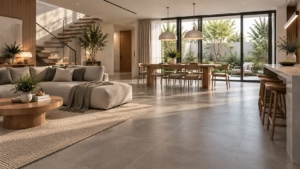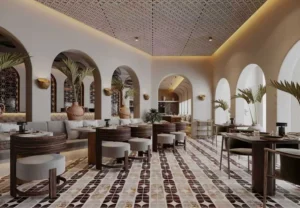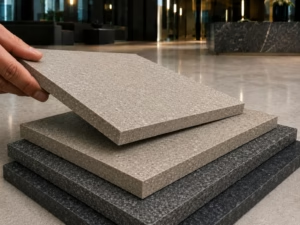
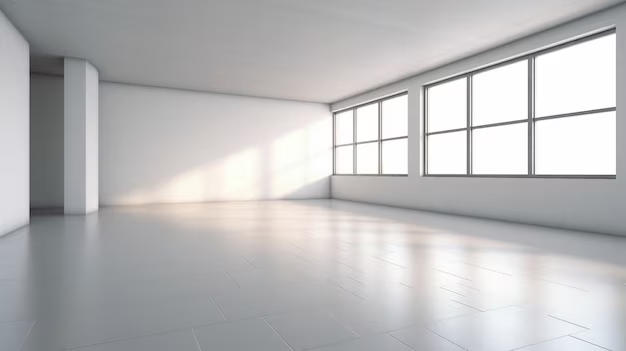
Matte and glossy describe a tile’s finish, not its material. Matte and textured finishes suit floors and wet or oily areas because they offer better traction; glossy finishes suit walls, backsplashes, and feature surfaces where brightness and design impact matter most. Satin sits between the two. Check the finish, lighting, traction, and maintenance needs of each surface before choosing.
What Matte and Glossy Mean
When choosing tiles for your home, many homeowners focus on colour or design but overlook one of the most important decisions, the tile finish. Matte and glossy tiles may share the same design, yet they perform very differently in terms of appearance, maintenance, lighting, and slip resistance.
In Malaysia’s humid climate, selecting the right finish is especially important for wet areas such as bathrooms, kitchens, balconies, and outdoor spaces. Understanding the strengths of each finish allows homeowners to balance aesthetics, practicality, and long-term durability.
This guide explains the differences between matte and glossy tiles, when each finish is most suitable, and what factors you should consider before making your final decision.
- Glossy (polished or gloss-glazed): A smooth, highly reflective surface that may create the visual impression of a brighter space. It is commonly used on walls, backsplashes, and feature surfaces.
- Satin or semi-polished: A middle option with a soft, low-level sheen. It is sometimes considered where a glossy look feels too reflective and a matte look feels too flat.
- Matte: A low-sheen, non-reflective surface with a softer appearance. It is commonly used on floors and in modern interiors.
- Textured or structured: A surface with a deliberate profile, often considered where additional traction is helpful, such as wet or oily floor areas.
Both glossy and matte finishes appear across ceramic, porcelain, and other tile bodies, so the finish and the material are generally reviewed together rather than treated as the same thing. The product data sheet would typically state the finish and the surface the manufacturer intends for each tile. Plain-language definitions of these terms also sit in the tilepedia glossary.
Why the Finish Matters
For Malaysian homes, tile finishes often influence more than appearance. Daily exposure to humidity, heavy rainfall, wet bathrooms, and frequent cleaning means the surface finish can affect safety, maintenance, and overall comfort. Choosing the right finish for each room helps ensure both functionality and long-term visual appeal.
Why Malaysian Homeowners Prefer Different Tile Finishes
Homeowners rarely use one finish throughout an entire property. Instead, different rooms benefit from different finishes depending on daily usage.
For example:
- Matte porcelain tiles remain popular for living rooms and bedrooms due to they reduce glare and conceal footprints.
- Glossy wall tiles are widely used in bathrooms to brighten smaller spaces.
- Textured finishes are often selected for balconies, swimming pools surrounds and outdoor walkways where additional grip is preferred.
Matching the finish to the environment may create a safer and more practical home without compromising design. Working through the space room by room is a useful starting point, and the full range sits on the Kimgres product page.
Matte vs Glossy at a Glance
The table below sets out how the two finishes are commonly compared. These are general patterns rather than fixed rules, and the result would depend on the product and the conditions on site.
| Factor | Matte finish | Glossy finish |
| Light and brightness | Scatters light, softer look, less glare | Reflects light, may create a brighter impression |
| Traction when wet | Generally offers more traction underfoot | Generally offers less traction once wet |
| Surface marks | May show fewer water spots and fingerprints | May show marks more readily under bright light |
| Common surfaces | Floors and wet or oily areas | Walls, backsplashes, feature surfaces |
| Overall look | Soft, calm, contemporary | Bright, polished, reflective |
Matte and Glossy on Ceramic and Porcelain
Matte and glossy describe finishes rather than materials, so both appear on ceramic and porcelain.
Ceramic tiles offer a wide range of glossy and matte finishes and are widely used for walls and backsplashes, where design variety and decorative surfaces are often the focus. Porcelain tiles also offer both finishes and generally have a denser tile body and lower water absorption compared with many standard ceramic tiles, which is why porcelain is often considered for floor areas.
The material and the finish are generally reviewed together against the surface, since a finish on one body may not behave the same way on another. There is more on how porcelain and ceramic compare, while choosing ceramic tiles for a project covers the wider selection.
Which Finish Looks Brighter?
Brightness and reflection are among the clearest differences between matte and glossy.
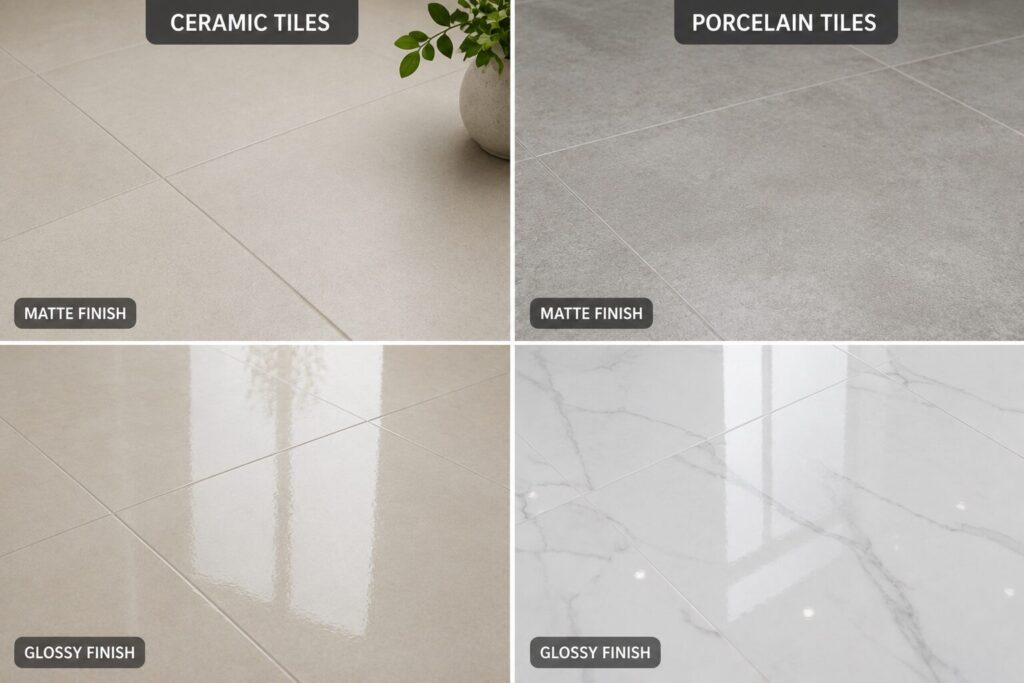
A glossy finish reflects more light across its surface and may create the visual impression of a brighter, more open space. Glossy finishes are commonly used in darker rooms, compact kitchens, and feature walls, though the result would depend on the room and the lighting. This matters most in smaller spaces, where finish, size, and layout work together to open up a compact home.
A matte finish scatters more light than it reflects, which may create a softer look and may show fewer surface marks under typical lighting. Matte finishes are commonly used in open, naturally lit rooms and in modern interiors. A calm, low-sheen surface also sits at the centre of a soft, minimal look.
Room lighting generally shapes the result more than any single rule. Bright artificial light may emphasise a glossy sheen, while soft natural light may suit a matte surface. Because the effect is hard to judge from a small sample alone, reviewing samples on site, under the actual lighting, is commonly suggested before the final choice.
Slip Resistance on Wet Floors
Traction is commonly reviewed for floors that may become wet or oily during use. Matte or textured finishes are often considered for these floors, where additional traction is helpful. Highly polished or glossy finishes are generally reviewed more carefully for wet or oily floor areas, since the surface may offer less traction once water or oil is present.
For floor surfaces, the slip resistance rating on the product data sheet would typically indicate the intended use. Common references include the DIN R-rating, mainly used where footwear is worn, and the Wet Pendulum P-rating, widely used for wet slip resistance. The product data sheet would typically confirm whether a tile is intended for floor use, and the rating would generally be reviewed against the area and the conditions on site. There is more on how these rating systems work, along with a closer look at wet and barefoot areas such as pool decks.
Marks, Smudges, and Cleaning
Although glossy tiles are easier to wipe clean, they also tend to highlight fingerprints, soap residue, and watermarks more noticeably. Matte finishes conceal daily dirt better, making them a practical option for busy households with children or pets. Textured tiles may require occasional brushing to remove dirt trapped within the surface texture.
Grout sits alongside the tile and is commonly reviewed at the same time. Cleaning products that are compatible with the tile and grout would generally be used, and harsh or abrasive products are generally reviewed more carefully so the surface is not affected. For grout choices and sealing, see the tile grout guide.
Finish, Tile Size, and Colour
Tile size and layout may shape the look of a space, and the finish works alongside them. Larger tiles may create a cleaner, more continuous surface, while feature walls and backsplashes may use smaller tiles, mosaics, or patterned designs. Neutral tones are commonly chosen for flexibility, and a bold colour may read brighter in a glossy finish and softer in a matte finish.
For colour direction, see the latest tile colour palettes. Minimal-joint, large-format looks are covered under rectified tiles, and the Kimgres visualiser is a quick way to preview combinations before committing.
A Quick Checklist Before You Choose
Rather than selecting one finish for your entire home, many interior designers recommend combining finishes according to each room’s function. Matte floor tiles paired with glossy wall tiles remain one of the most popular combinations because they balance safety, easy maintenance, and visual appeal.
- Confirm whether the tile is intended for floor use, wall use, or both.
- Review the finish against the surface, the lighting, and any exposure to water or oil.
- For floor areas, review the PEI rating for surface wear and the slip resistance rating for traction.
- Consider matte or textured finishes where additional traction is helpful, and review glossy finishes more carefully for wet or oily floors.
- Consider glossy or satin finishes for walls and backsplashes that are intended to be easy to wipe.
- Review the cleaning method, since matte, textured, and glossy surfaces may differ.
- Review the product data, certificates, and supporting documents for project work.
Frequently Asked Questions About Tile Finishes
Which finish is commonly used for walls and backsplashes?
Glossy finishes are commonly used on walls and backsplashes and are often selected for surfaces that are intended to be easy to wipe. Matte and textured finishes are also used where a softer, more modern look is the focus.
Do glossy tiles show more marks?
A glossy finish may show water spots and fingerprints more readily under bright light, while a matte finish may show fewer of these marks. Some textured tiles may hold fine particles within the surface profile. The result would depend on the product, the lighting, and the cleaning routine.
Are matte tiles easier to maintain than glossy tiles?
The cleaning method may differ rather than being harder or easier overall. A glossy surface tends to wipe smooth, while a textured matte surface may hold fine particles within the profile. Cleaning products that are compatible with the tile and grout would generally be used for either finish.
Can I combine matte and glossy tiles in the same room?
Matte and glossy finishes are commonly combined, such as a matte floor with a glossy feature wall, or the reverse. The combination is generally a matter of design preference and may be reviewed on site before the final selection.
Which tile finish is better for Malaysian bathrooms?
Matte or textured tiles are commonly chosen for bathroom floors because they generally provide better traction when wet. Glossy tiles are often preferred for bathroom walls to create a brighter look. Always check the product’s slip resistance rating before choosing floor tiles.
Do glossy tiles scratch more easily?
Glossy tiles may show scratches and surface marks more clearly due to their reflective finish. However, scratch resistance depends on the tile’s material and wear rating, not the finish alone.
Which tile finish makes a small room look bigger?
Glossy tiles reflect more light, helping small rooms appear brighter and more spacious. The overall effect also depends on tile size, colour, and lighting.
Which tile finish is best for homes with pets and children?
Matte tiles are commonly chosen for floors because they generally hide footprints, pet hair, and everyday dirt better while providing more traction. Always choose tiles based on their intended use and technical specifications.
Note: This article is provided for general information only and does not constitute technical, safety, or professional advice. Tile performance, traction, and suitability vary by product, installation, and site conditions. Always confirm specifications with the product data sheet and a qualified project consultant or installer before purchase or installation.
Conclusion
Choosing between a matte and glossy finish is generally about matching the finish to each surface and to how the space is used. Matte or textured finishes are commonly considered for floors and wet or oily areas, where additional traction is helpful, while glossy finishes are widely used on walls, backsplashes, and feature surfaces, where design and a brighter visual impression are the focus. Satin and semi-polished finishes sit between the two, and the material, the lighting, and the room may each call for different considerations.
Reviewing the finish, tile size, grout, and maintenance together, and confirming the product data for each surface, may lead to a more practical result. To explore matte and glossy tile options, browse the Kimgres product page or contact Kimgres for samples and product data.