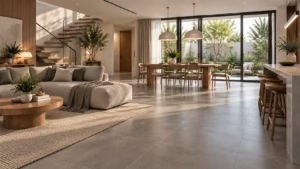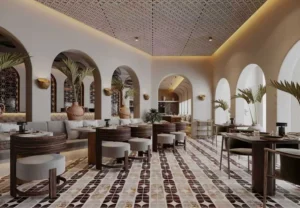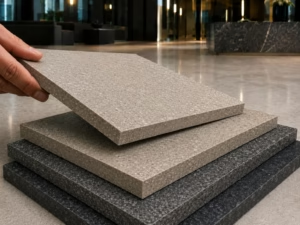
Rectified tiles are tiles whose edges have been mechanically ground after firing so that each piece shares very consistent dimensions and straight edges. This is commonly associated with a clean, modern look and the option of narrower grout joints, and it is often seen on porcelain tiles, large format tiles, and big tiles. Rectified tiles may suit contemporary interiors, but they generally call for a flat substrate, careful layout planning, and experienced installation. A minimum grout joint is still commonly advised even when a near-seamless look is intended. Final suitability would depend on the product, the space, and the installation conditions.
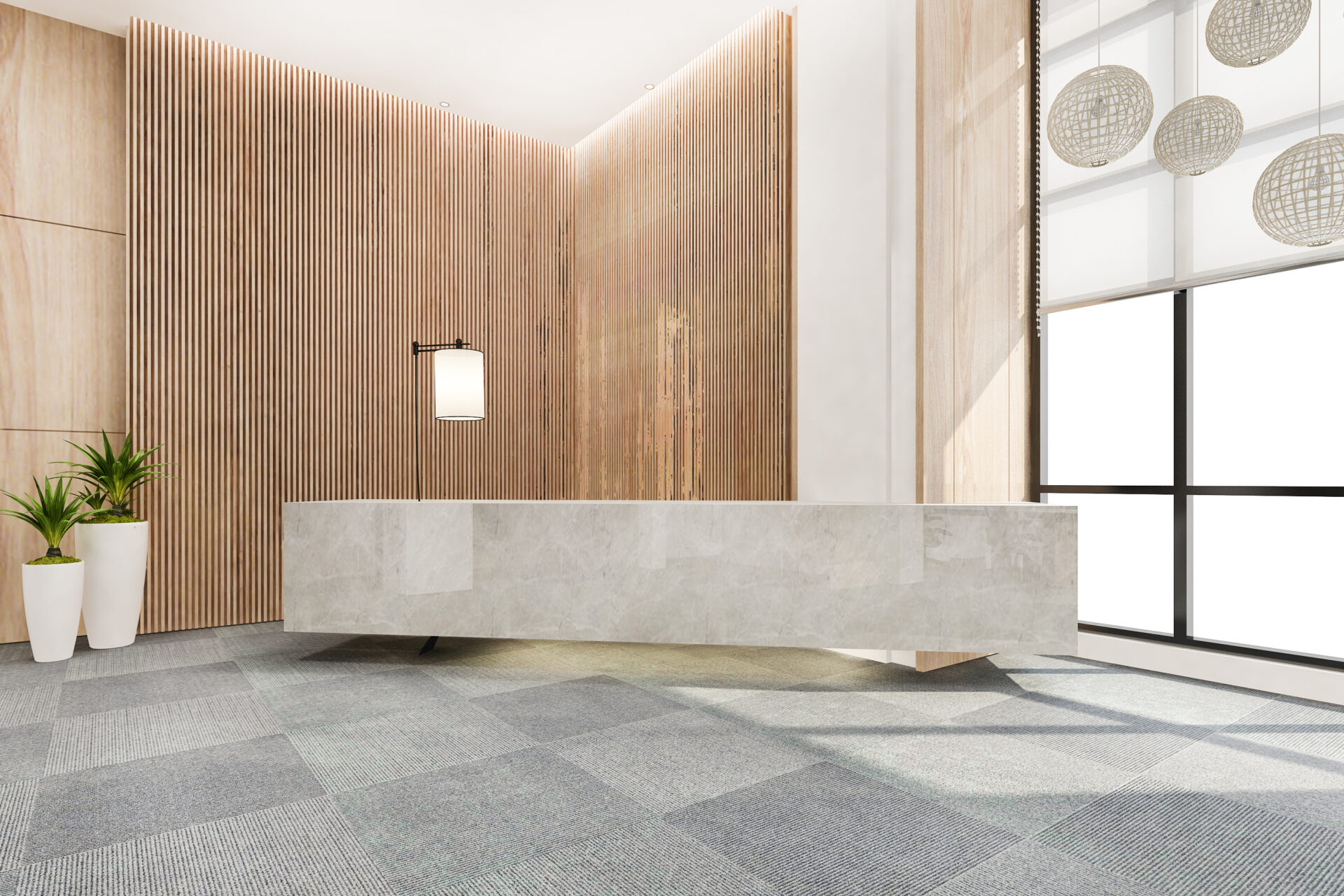
What Are Rectified Tiles?
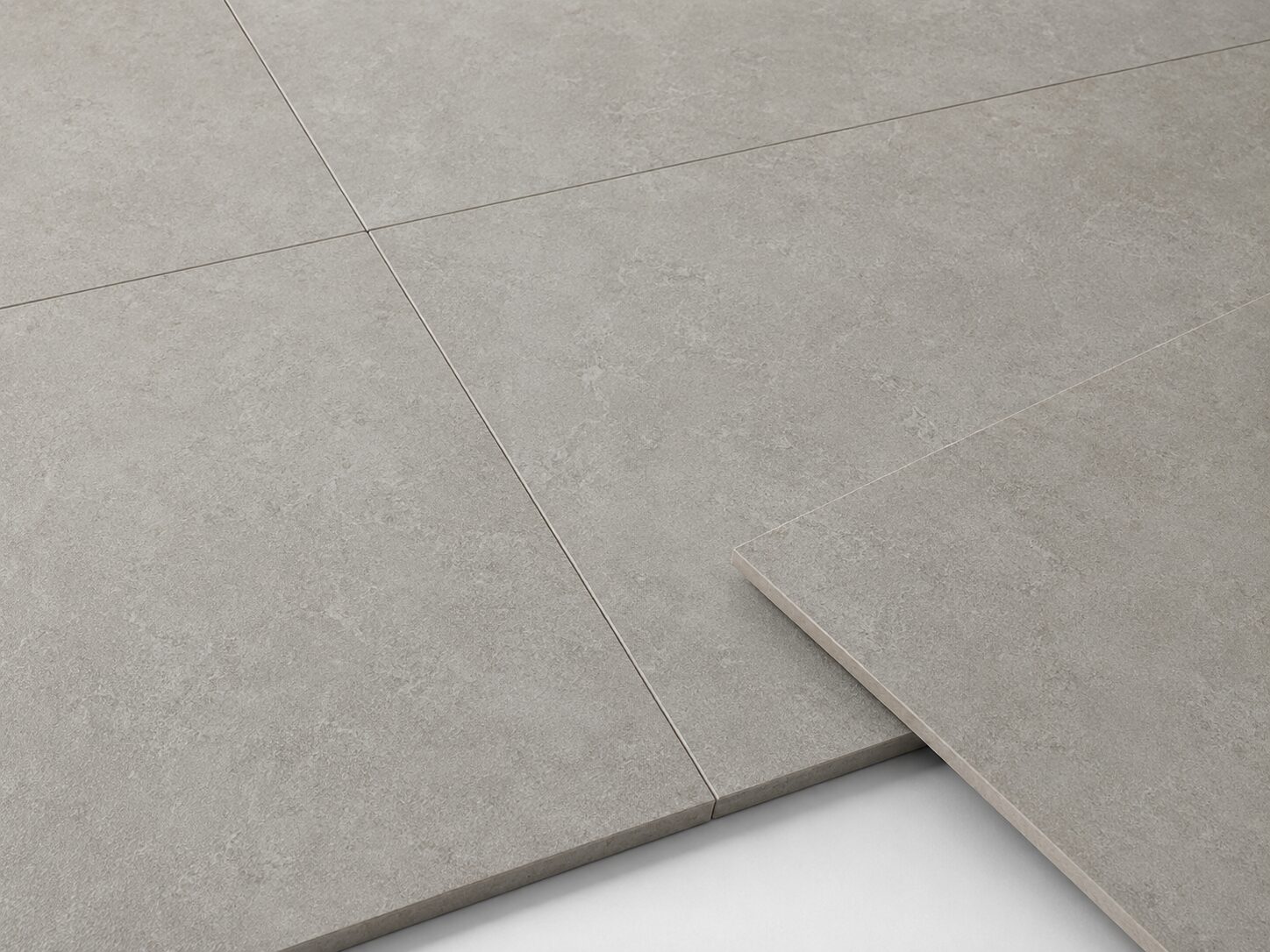
Rectified tiles are tiles whose edges have been mechanically ground or cut after firing so that each piece shares very consistent dimensions and straight, squared edges. In simple terms, the tile is first pressed and fired, and then the edges are finished to a defined size. This additional step is commonly applied to porcelain tiles and to some ceramic tiles, particularly in larger formats and big tiles.
Because the edges are squared off during finishing, rectified tiles are often associated with a clean, contemporary appearance and the option of laying tiles with narrower grout joints. This look is commonly seen in modern Malaysian homes, retail spaces, offices, and hospitality interiors where a seamless or minimal-joint finish is part of the design intent.
It may help to think of “rectified” as a description of how the edges are finished rather than a separate tile material. A rectified tile may still be a porcelain tile, a ceramic tile, or a homogeneous (full-body porcelain) tile; the term mainly refers to the edge treatment and dimensional precision. For the difference between the two materials, see the porcelain vs ceramic tiles guide. For background on edge profiles and tile sizes, see the Kimgres guide on tile features, edge profiles and sizes, or browse the Kimgres product page.
How Are Rectified Tiles Different from Non-Rectified Tiles?
Non-rectified tiles, keep the natural edge created during pressing and firing. These edges are usually slightly rounded or marginally irregular, which is normal for the manufacturing process. The differences commonly noted between the two are summarised below.
| Feature | Rectified Tiles | Non-Rectified Tiles |
| Edge | Mechanically ground; straight and squared | Natural pressed edge; slightly rounded |
| Dimensional consistency | Generally very consistent across pieces | Minor size variation may be more noticeable |
| Typical grout joint | Narrower joints are often possible | Slightly wider joints are commonly used |
| Common look | Seamless, modern, minimal-joint | Softer, more traditional joint lines |
| Common formats | Often used for large-format and big tiles | Available across many sizes |
It is worth noting that a wider grout joint is not a defect. Non-rectified tiles are widely used and may be well suited to many residential and commercial projects. The choice between rectified and non-rectified tiles often comes down to the desired look, the tile size, the installation conditions, and the project budget rather than one being universally “better” than the other.
Why Are Rectified Tiles Commonly Used for Modern Interiors?
Rectified tiles are commonly chosen when the design calls for a continuous, uninterrupted surface. Because the edges are precise, tiles may be laid closer together, which may reduce the visual prominence of grout lines and help larger spaces feel more open and seamless.
This look pairs well with several trends often seen in Malaysian interiors:
- Large format tiles and big tiles, where fewer joints may create a calmer floor or wall surface. Larger formats are commonly used to create the visual impression of a more spacious room, as covered in the guide on tile layouts for small spaces.
- Marble-look, stone-look, and concrete-look designs, where continuous veining or texture may be a key part of the appearance.
- Minimalist and modern floor tiles, where narrow joint lines may support a cleaner finish.
Rectified tiles may help make alignment more predictable during installation. That said, a precise edge places more attention on the quality of the substrate and the installation, which is covered further below.
What to Consider Before Choosing Rectified Tiles
Substrate flatness
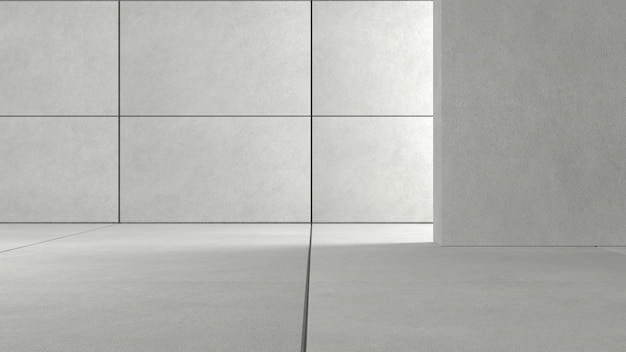
Because rectified tiles are often laid with narrow joints, the surface beneath them generally benefits from being flat and well prepared. On uneven substrates, the difference in height between adjacent tile edges (commonly called lippage) may become more visible, particularly under side lighting.
Tile size and layout
Larger tiles and certain offset or brick-bond patterns may increase the chance of visible lippage. For large format tiles, the amount of offset between rows is commonly reduced, and the layout would typically be planned in advance with the installer.
Lighting
Strong directional or “raking” light across a floor or wall may emphasise small variations in a surface. This is a general consideration for any tile, but it may be more noticeable with minimal-joint rectified layouts.
Budget and installer experience
Rectified tiles and large formats may carry additional product and installation costs, and they often benefit from an experienced installer. It may help to discuss expectations and layout with the supplier and contractor early in the project.
Rectified Tiles and Grout Joints
A common misunderstanding is that rectified tiles may be installed with no grout joint at all. In practice, a minimum joint is still commonly advised, even for a minimal-joint look. A small joint may help accommodate slight dimensional tolerances, movement, and installation adjustments.
The exact joint width would generally depend on the product, the tile size, the manufacturer’s guidance, and applicable installation standards. Rather than aiming for zero, many projects use a small, consistent joint that keeps the modern appearance while allowing for practical tolerances. For general fitting practices, see the Kimgres tile installation guide. For grout types, steps to choosing the right grout colour, see the tile grout guide.
Installation Considerations for Rectified Tiles
Installation quality may play an important part in how rectified tiles look and perform over time. Commonly reviewed points include:
- Substrate preparation: a flat, stable, and properly cured base may help reduce lippage and movement-related issues.
- Adhesive coverage: full and even adhesive coverage is commonly considered helpful, particularly for large-format tiles and floor areas.
- Levelling systems: tile levelling clips and spacers are often used to assist with edge alignment during installation.
- Layout planning: setting out the layout in advance may help manage cuts, offsets, and the position of joints.
- Movement joints: movement or expansion joints may be required depending on the area, and would typically follow installation guidance.
For general fitting steps, see the tile installation guide, and for reducing hollow spots under tiles, the guide on solid tile installation.
Are Rectified Tiles Suitable for Every Space?
Rectified tiles are commonly used for floors and walls across many residential and commercial spaces. However, suitability for a particular space would still depend on the tile body, the surface finish, and the conditions of the area. The Kimgres guide on choosing tiles by space offers a general overview.
For wet or moisture-prone areas, slip resistance is commonly reviewed through the surface finish rather than the edge treatment, so the finish and any relevant test information would still be considered. For more on wet-area surfaces, see the anti-slip tile ratings guide.
Frequently Asked Questions About Rectified Tiles
Are rectified tiles better than non-rectified tiles?
Not necessarily. Rectified tiles are often chosen for a seamless, minimal-joint look and for large formats, while non-rectified tiles remain widely used and may suit many projects. The more suitable option would depend on the desired appearance, tile size, budget, and installation conditions.
Can rectified tiles be installed without any grout joint?
A minimum grout joint is generally recommended, even for a near-seamless finish, since a small joint may help accommodate tolerances and movement. The exact width would generally follow the product and installation guidance.
Are rectified tiles more expensive?
Rectified tiles and large-format options may involve higher product and installation costs compared with some standard tiles. The overall cost would depend on the product, size, and project requirements.
Do rectified tiles need a specialist installer?
They often benefit from an experienced installer, particularly for large formats and minimal-joint layouts, because substrate flatness and alignment may be more noticeable. Discussing the layout with the contractor in advance may help.
Are rectified tiles suitable for large-format floors?
Rectified edges are commonly used for large format and big tiles. Suitability for a specific floor would still depend on substrate preparation, adhesive coverage, layout, and the product itself.
Note: Tile suitability may vary depending on project conditions, installation methods, and usage. Final selection should be confirmed with the project consultant or relevant professional.
Conclusion
Rectified tiles describe an edge finish rather than a separate material, and they are commonly associated with a clean, modern look and the option of narrower grout joints. They may be a suitable for contemporary interiors and large-format designs, particularly when paired with a flat substrate, careful layout planning, and experienced installation.
Rather than treating “rectified” as automatically better, it may be more useful to match the edge finish, tile size, and surface finish to the space and the look you want to achieve. To explore rectified and large format tiles, browse the Kimgres product page or contact Kimgres for samples and product data.
Note: This article is a general guide. Tile suitability may vary depending on project conditions, installation methods, and local standards. Final selection should be confirmed with your project consultant or relevant professional.