Ceramic tiles are widely used in Malaysian homes, commercial spaces, hotels, offices, healthcare facilities, and outdoor areas. When choosing tiles, it helps to look beyond design and consider product consistency, water absorption, surface quality, strength, and supporting documents. MS ISO 13006 is often referenced as a ceramic tile product standard in Malaysia and can help project teams compare tile characteristics more clearly. Final selection should still depend on the project area, product data sheet, installation method, maintenance needs, and consultant requirements.
Why Should You Check Tile Standards Before Choosing Ceramic Tiles?
Ceramic tiles are commonly used across many types of Malaysian projects, from residential bathrooms and kitchens to hotel lobbies, office floors, hospital corridors, retail spaces, and outdoor areas. Because tiles are used in so many environments, selection should consider more than colour, size, and surface design.
A tile used in a dry living room may not need the same properties as a tile used in a bathroom, balcony, commercial walkway, or outdoor terrace. Water exposure, foot traffic, cleaning routines, surface finish, and installation quality can all affect how suitable a tile is for its intended space.
This is where tile standards and supporting documents can be useful. They help project teams understand the basic characteristics of a tile, such as size consistency, water absorption, strength, and surface quality. Instead of relying only on brochure descriptions, buyers can review product data and certificates as part of the decision-making process. For a general overview of Kimgres’ tile options, you can browse the Kimgres product page.
What Does MS ISO 13006 Mean for Ceramic Tiles?
MS ISO 13006 is commonly referenced in Malaysia as a product standard for ceramic tile classification and characteristics. It helps describe how ceramic tiles are grouped and what properties can be reviewed when comparing products.
In general, MS ISO 13006 helps project teams review aspects such as:
- Is the tile size consistent?
- How much water does the tile absorb?
- Does the product data provide information relevant to the intended application?
- What surface quality or product characteristics are documented?
- Is there supporting certification or product data?
MS ISO 13006 is presented here as a general reference framework and does not by itself determine product suitability for any specific application.
Kimgres also has a related article explaining tile types and classifications, including how ceramic and porcelain tiles are grouped based on water absorption under MS ISO 13006. You can read the types and classifications of tiles guide for more background.
What Tile Details Should You Check Before Selection?
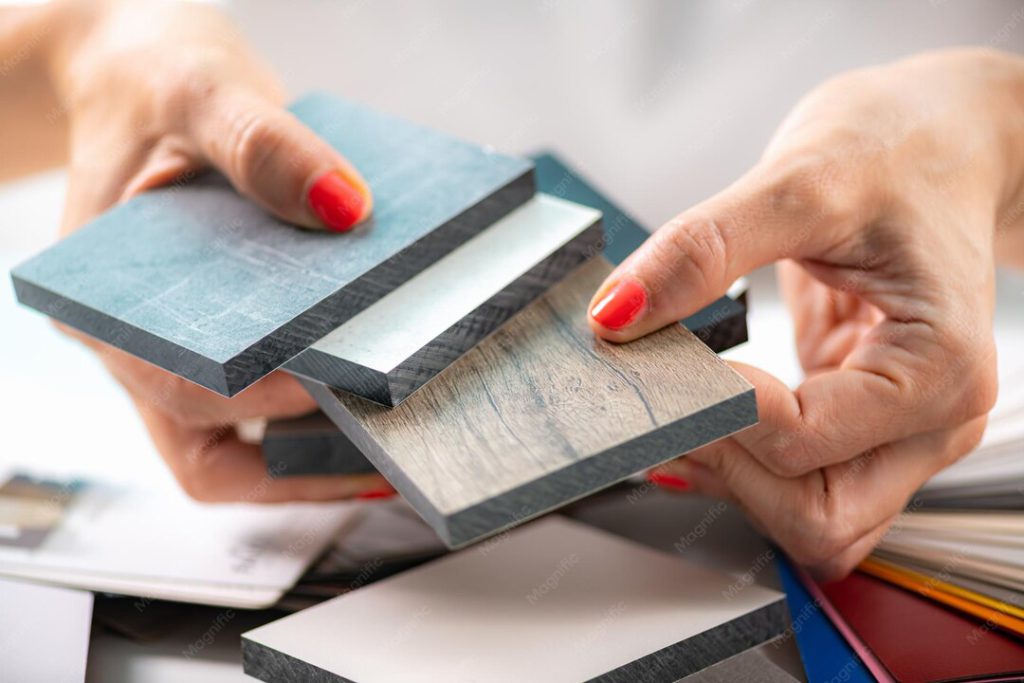
When choosing ceramic tiles in Malaysia, it is helpful to review several product details together. No single number or label should be treated as the only basis for selection.
Size and Dimensional Consistency
Dimensional consistency refers to how closely the tile follows its intended length, width, thickness, shape, and flatness.
In practical terms, this can affect how the tiles look after installation. Good dimensional consistency can help support more even grout lines, cleaner alignment, and a neater finish, especially in larger areas or projects using large-format tiles.
Water Absorption
Water absorption is a useful detail to check when comparing ceramic and porcelain tiles. Tiles with lower water absorption are generally denser and are often considered for areas exposed to moisture, such as bathrooms, balconies, outdoor spaces, and other wet zones. Tiles with higher water absorption may still be suitable for many dry indoor spaces, depending on the product and project requirements.
For wet or moisture-prone areas, you may also want to read the anti-slip tile ratings guide, especially if slip resistance is part of the selection process.
Strength and Intended Use
Tile strength is typically reviewed according to where the tile will be installed. Floor tiles, commercial areas, and public spaces may require different performance considerations compared with wall tiles or low-traffic residential areas.
The product data sheet can usually help identify whether a tile is intended for wall use, floor use, indoor use, outdoor use, or specific project conditions.
Surface Finish
Surface finish affects both appearance and function. Gloss, matt, structured, textured, and other finishes may behave differently depending on water exposure, cleaning method, lighting, and usage.
For example, a glossy wall tile may look suitable in a showroom but may not be the right choice for every floor or wet-area application. The tile finish is generally reviewed together with the intended use.
Chemical and Cleaning Considerations
Some spaces may involve regular exposure to cleaning chemicals, food substances, pool treatments, or other maintenance products. This can be relevant for commercial kitchens, healthcare spaces, pool areas, and other demanding environments.
For installation and maintenance considerations, refer to the tile installation guide for general reference.
How Do Ceramic Tile Certifications Help Project Teams?
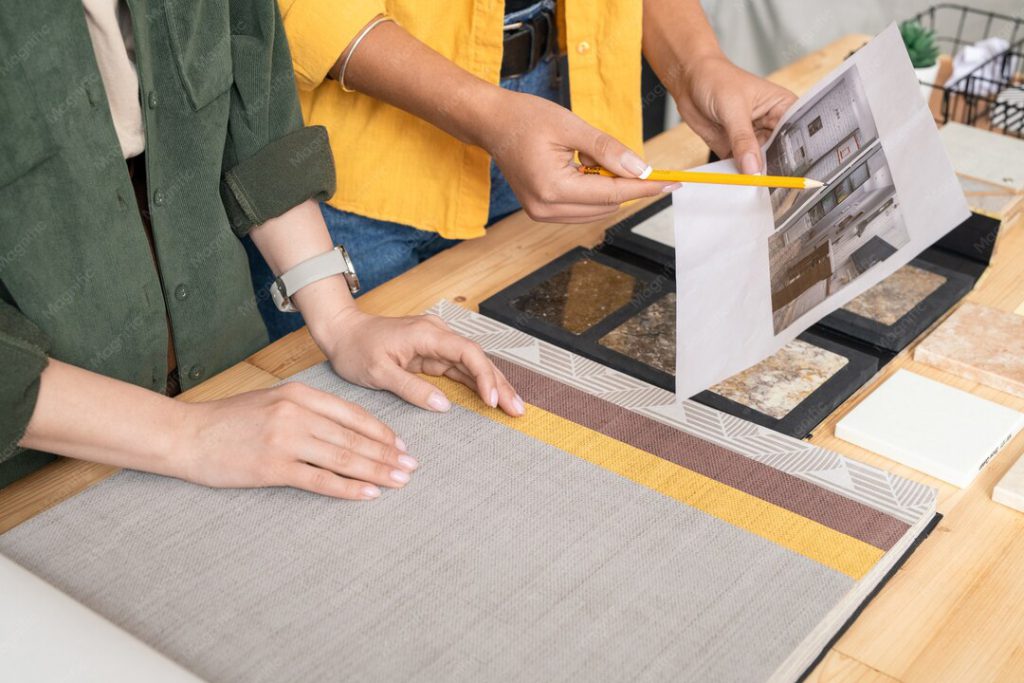
Certifications and supporting documents can help project teams review tile products more clearly. They are especially useful for larger residential, commercial, hospitality, healthcare, and public projects where product consistency and documentation are part of the approval process.
A certificate or supporting document may help confirm:
- the standard being referenced
- the company or manufacturing facility covered
- the certificate reference number
- the issuing body
- the validity or renewal period
- the type of product or process being documented
However, certificates should still be reviewed together with the specific product data sheet. A certification may support confidence in manufacturing or product standards, but the selected tile should still match the actual project area, finish, usage, and installation requirements.
For general company and documentation details, project teams can refer to the Kimgres certifications page. The original article notes that Kimgres lists MS ISO 13006, MS ISO 9001:2015, GreenGuard, GreenGuard Gold, SIRIM QAS Eco-Label, and other supporting documents on its certification page.
How Are Ceramic and Porcelain Tiles Classified?
Ceramic and porcelain tiles are often described as different product types, but they can also be understood through their tile group, durability level, and common application. This gives project teams a clearer way to compare tiles beyond just appearance or product name.
Under MS ISO 13006, tile classification may consider factors such as forming method, tile body, performance characteristics, and water absorption group. In practical terms, this helps indicate how the tile is commonly used across walls, indoor floors, light commercial areas, heavier-use floors, and selected outdoor applications.
| Tile Group | Common Tile Type | General Durability Reference | Common Application Guide |
| Group BIa | Porcelain Tiles | Very high durability | Commonly considered for heavier-use floors, indoor areas, and selected outdoor applications |
| Group BIb | Gres Tiles | High durability | Often used for residential and light commercial floors |
| Group BIIa | Semi-Gres Tiles | Moderate durability | Commonly used for indoor flooring applications |
| Group BIIb | Semi-Porous Tiles | Lower durability | Often associated with indoor residential applications |
| Group BIII | Porous Tiles | Lowest durability among these groups | Commonly used for wall applications |
As a general guide, denser tile groups are commonly considered for areas with heavier use, higher moisture exposure, or selected outdoor conditions, depending on product specifications. Other tile groups may be more suitable for indoor floors, residential spaces, or wall applications, depending on the product design and intended use.
Actual suitability should still be reviewed based on the specific product data sheet, surface finish, tile body, installation method, maintenance needs, expected foot traffic, and project requirements. For a more detailed explanation, see the types and classifications of tiles guide, which explains how ceramic and porcelain tiles are grouped under MS ISO 13006.
Are Porcelain Tiles Better Than Ceramic Tiles?
Porcelain tiles may be considered considered for wet areas, outdoor areas, and higher-traffic spaces because they typically have lower water absorption and a denser tile body compared with standard ceramic tiles.
The porcelain tile guide describes porcelain tiles as Group BIa under MS ISO 13006, with water absorption of less than 0.5%. However, this does not mean ceramic tiles are unsuitable. Ceramic tiles can still be used in many residential and indoor applications, depending on the product type, surface finish, water exposure, and project requirements.
The better question is not always “ceramic or porcelain?” but rather:
- Where will the tile be installed?
- Is the area dry, wet, indoor, or outdoor?
- Is it for wall or floor use?
- How much foot traffic is expected?
- What water absorption group does the tile fall under?
- What finish is being selected?
- What product data or certification is available?
For tile browsing and product comparison, explore the Kimgres products catalogue for more.
What Should You Prepare for Tender or Project Documentation?
For larger projects, ceramic tile selection may involve more than choosing a product image from a catalogue. Project teams may prepare product data, certificates, samples, and supplier documentation for review.
As a general guide, useful documents may include:
- product data sheet
- tile size and finish details
- water absorption value or classification
- intended use information
- manufacturing or product certifications
- test reports where relevant
- maintenance and cleaning guidance
- sample boards or physical samples
- batch or supply information for larger orders
If the project involves multiple zones, the tile schedule may need to separate dry indoor spaces, bathrooms, outdoor areas, commercial floors, and wall areas. This helps reduce confusion when different tile types or finishes are used in the same project.
For supporting documents, project teams can review the Kimgres certifications page or contact Kimgres through the contact page for current product documentation.
Note: Tile selection and performance may vary depending on project conditions, installation methods, safety requirements, and local standards. Final specifications should be confirmed with the project consultant or relevant professional.
Frequently Asked Questions About Ceramic Tiles in Malaysia
What is MS ISO 13006?
MS ISO 13006 is commonly referenced as a ceramic tile product standard in Malaysia. It helps describe tile characteristics such as size consistency, water absorption, strength, and surface quality. It can support product comparison, but final selection should still consider the product data sheet, installation area, and project requirements.
Why does water absorption matter when choosing tiles?
Water absorption helps indicate how dense a tile body is. Lower water absorption is commonly associated with porcelain tiles and is often considered for wet, outdoor, or higher-traffic areas. Higher absorption tiles may still be suitable for selected indoor or dry areas, depending on the product and application.
Are porcelain tiles the same as ceramic tiles?
Porcelain is part of the broader ceramic tile category, but it is usually denser and has lower water absorption than standard ceramic tiles. In many project discussions, porcelain is treated separately because it is commonly used for wet, outdoor, or higher-traffic spaces.
Does MS ISO 13006 cover slip resistance?
MS ISO 13006 is mainly related to ceramic tile product characteristics such as dimensional properties, water absorption, strength, and surface quality. Slip resistance is usually reviewed through separate test methods or product documents, depending on the project and area of use.
How do I check if a tile supplier has proper certification?
Ask for the relevant certificate or supporting document. Check whether it shows the standard, certificate reference number, issuing body, company or plant name, and validity period. For Kimgres-related documents, you can review the Kimgres certifications page.
Is MS ISO 13006 mandatory in Malaysia?
Whether it is mandatory depends on the project type, consultant requirements, and procurement conditions. Some larger commercial, hospitality, or public projects may require compliance documentation, while residential projects may not. Confirm with the project consultant or relevant professional before assuming a requirement applies.
Can ceramic tiles be used outdoors?
Yes, in some situations, but this depends on the product specification. Key factors include water absorption group, surface finish, slip resistance, and whether the tile body is suitable for outdoor conditions. Always review the product data sheet and confirm suitability with the installer or project consultant before specifying any tile for outdoor areas.
Conclusion
Choosing ceramic tiles in Malaysia is easier when design, product data, water absorption, surface finish, installation needs, and supporting documents are reviewed together.
MS ISO 13006 can be a useful reference when comparing ceramic and porcelain tile characteristics, but it should not be treated as the only factor in selection. The final tile choice should match the project area, intended use, maintenance routine, surface finish, and consultant requirements.
For project teams, the practical approach is to review the product data sheet, check the relevant classification or water absorption group, request supporting documents where needed, and confirm that the tile is suitable for the intended space. To explore tile options, browse the Kimgres product page or contact Kimgres for samples where available, product data, and project support.