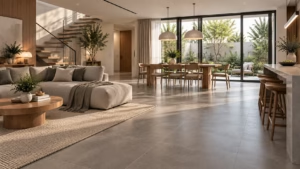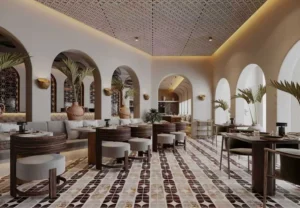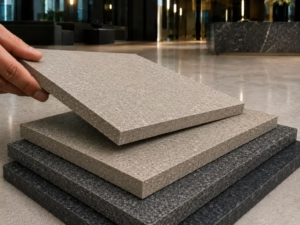
Tile finishes affect more than appearance. Matte, glossy, satin and textured finishes each offer different benefits for lighting, maintenance and slip resistance. Choosing the right finish depends on where the tile will be installed and how the space is used.
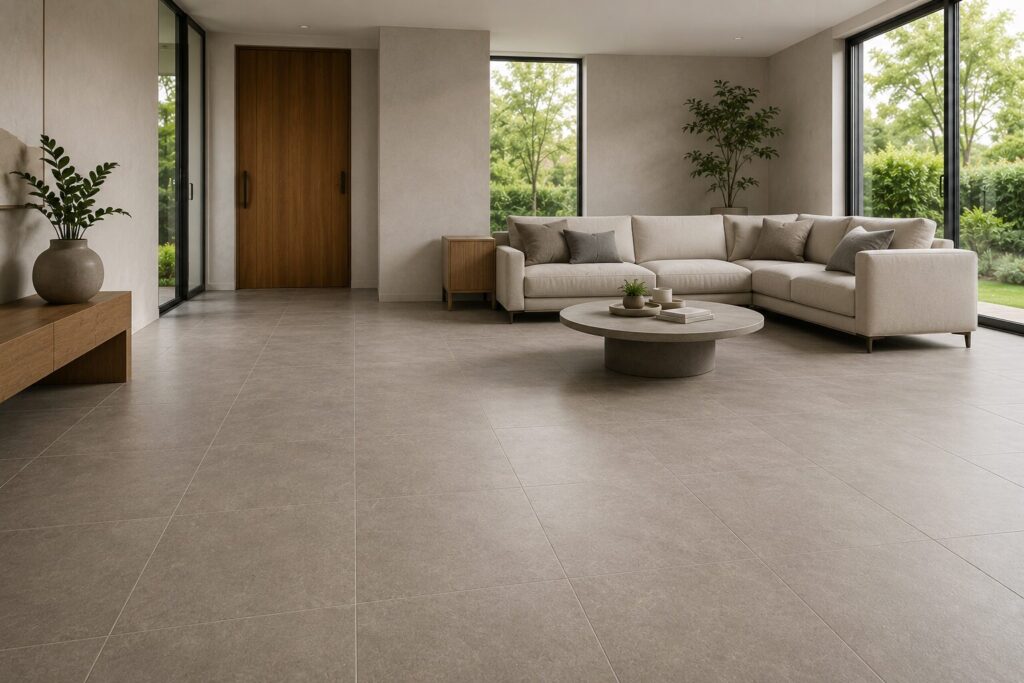
What Is a Tile Finish?
A tile finish refers to the surface appearance of a tile. While two tiles may share the same colour and design, their finish can affect how they look, feel and perform. Choosing the right finish helps improve both the appearance and practicality of your space.
For this reason the finish is generally matched to the surface and to how the area is used, rather than chosen on appearance alone. Plain-language definitions of these terms also sit in the tilepedia glossary.
What Are the Main Types of Tile Finishes?
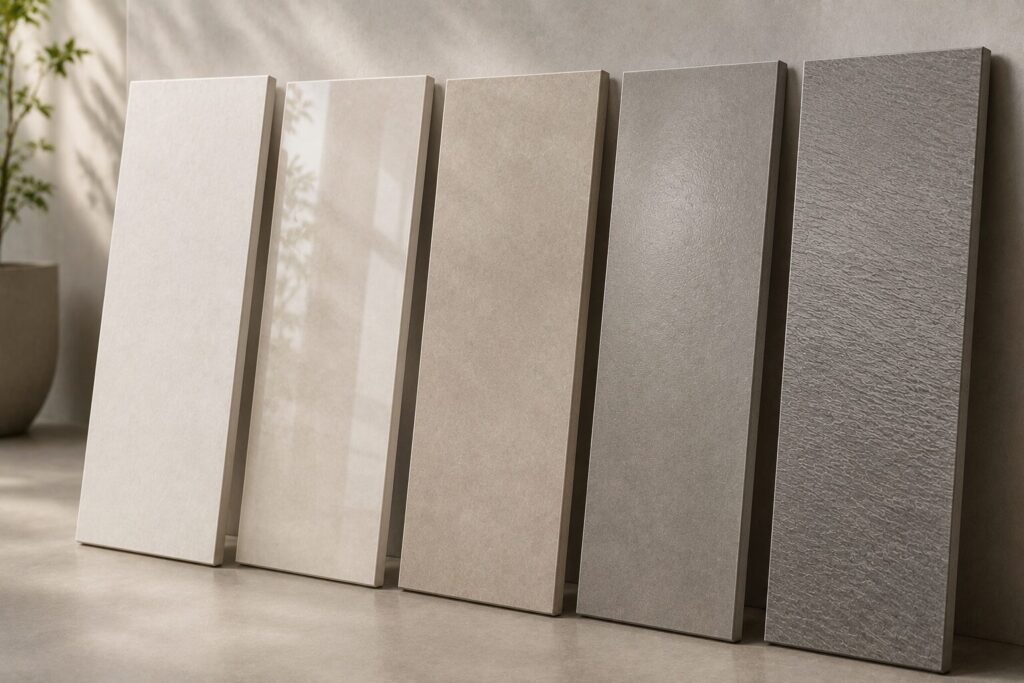
Finish spans a range rather than a single set of fixed options, and manufacturers use slightly different names for similar surfaces. In practice, most finishes fall into four broad groups:
- Matte, a low-sheen, non-reflective surface.
- Glossy or polished, a smooth, highly reflective surface.
- Satin or semi-polished, a soft middle option with a low level of sheen.
- Textured or structured, a surface with a deliberate profile or relief.
Each group is described in its own section below. All of these finishes appear across ceramic, porcelain, and other tile bodies, so the finish and the material are generally reviewed together rather than treated as the same thing.
Tile Finishes at a Glance
The table below sets out how the main finishes are commonly compared. These are general patterns rather than fixed rules, and the result would depend on the specific product and the conditions on site.
| Finish | Appearance | Reflects light | Commonly used on |
| Matte | Soft, flat, low sheen | Low | Floors and modern interiors |
| Glossy or polished | Smooth, bright, high shine | High | Walls, backsplashes, feature surfaces |
| Satin or semi-polished | Soft, gentle sheen | Medium | Walls and lower-traffic floors |
| Textured or structured | Raised or profiled surface | Low | Wet floors, outdoor areas, accents |
Matte Tiles vs Glossy and Polished Tiles
Matte tiles have a low-sheen surface that creates a soft, modern appearance. They are commonly used on floors because they generally provide better traction and hide water spots, dust and footprints more effectively than glossy finishes. Some matte tiles have a light texture, so cleaning methods may vary depending on the product.
Glossy and polished tiles have a smooth, reflective surface that helps brighten a space. They are commonly used on walls, backsplashes and feature areas where appearance is the main focus. Because reflective surfaces may show fingerprints and water spots more easily, they often require more frequent cleaning. For floors, always review the slip resistance rating before installation. For a closer head-to-head of these two finishes, see matte and glossy compared in more detail.
Satin and Semi-Polished Tiles
Satin, also known as semi-polished or lappato, offers a finish between matte and glossy. It provides a soft sheen without being overly reflective, making it a popular choice for modern interiors. For floor applications, always check the product’s slip resistance rating.
A satin or semi-polished finish sits between matte and glossy, with a soft, low level of sheen. It is sometimes referred to as a lappato or semi-polished surface, where the tile is partially polished rather than fully matte or fully glossy.
This middle option is often considered where a glossy look feels too reflective and a matte look feels too flat. The gentle sheen may add a little brightness while showing fewer marks than a high-gloss surface. Satin finishes are commonly used on walls and on lower-traffic floors, and they are often chosen where a softer, more refined look is the focus. As with any floor surface, a satin floor that may become wet would generally be reviewed against the slip resistance rating.
Textured and Structured Tiles
A textured or structured finish carries a deliberate surface profile, ranging from a fine grip texture to a more pronounced relief. These finishes serve two common purposes:
- Traction. A profiled surface generally offers more traction underfoot, so textured finishes are commonly reviewed for wet floors, outdoor areas, pool surrounds, and similar surfaces.
- Design. A texture may imitate natural materials, such as the grain of wood or the surface of stone, adding depth to a floor or a feature wall. Because the profile may hold fine dirt, the cleaning method for textured tiles may differ from a smooth surface, and a compatible cleaning routine would generally be used. The floor tiles texture chosen would generally follow both the look and the level of traction required.
How Finish Affects Slip Resistance and Cleaning
Different tile finishes provide different levels of traction, but the finish alone does not determine slip resistance. Always refer to the product’s official slip resistance rating when selecting tiles for wet or high-risk areas. There is more on how these ratings work in the anti-slip tiles ratings guide.
Different finishes require different cleaning methods. Smooth surfaces are generally easier to wipe, while textured finishes may need additional brushing to remove trapped dirt. Always use cleaning products recommended for both the tile and grout.
Grout sits alongside the tile and is commonly reviewed at the same time, since the joints are cleaned together with the surface. Cleaning products that are compatible with the tile and grout would generally be used, and harsh or abrasive products are generally reviewed more carefully so the surface is not affected. There is more on joints and upkeep in the tile grout guide.
Choosing a Finish for Each Surface
The finish is commonly matched to the surface and how it is used. As a general pattern only:
- Floors: Matte or textured finishes are commonly used, particularly for areas that may become wet or oily, where additional traction is helpful.
- Walls and backsplashes: Glossy, polished, or satin finishes are commonly used, since these surfaces stay drier and design and easy wiping are often the focus.
- Feature surfaces: Glossy and polished finishes are often considered where a brighter, more reflective look is the intent, while matte and textured finishes are often considered for a softer or more tactile accent.
The same space may carry more than one finish, such as a matte floor with a glossy feature wall. A room-by-room view of tile selection is covered further in the guide to tile types for each room, with dedicated guides for bathroom tiles and kitchen tiles.
Finish, Material, and Durability
Finish is one of several qualities reviewed together, and it works alongside the material and the durability rating rather than replacing them. The same finish may behave a little differently on a glazed ceramic tile than on a dense porcelain or homogeneous tile, so the finish and the material are generally reviewed against the surface. The difference between the two materials is covered in how porcelain and ceramic compare, and the wider selection process in choosing ceramic tiles for a project.
For floor areas, the durability of the surface is commonly reviewed through the PEI rating, which describes resistance to surface wear from foot traffic. The PEI rating and the finish are separate figures, so both would generally be reviewed for a floor tile. There is more on this in the guide to PEI ratings and tile durability.
A Quick Checklist for Choosing a Tile Finish
✔ Confirm the finish on the product data sheet, and check whether the tile is intended for floor use, wall use, or both.
✔ Review the finish against the surface, the lighting, and any exposure to water or oil.
✔ For floors that may become wet, review the slip resistance rating alongside the finish.
✔ For floor areas, review the PEI rating for surface wear in addition to the finish.
✔ Match smooth glossy or polished finishes to drier walls and feature surfaces, and matte or textured finishes to floors and wet areas.
✔ Check the cleaning method, since smooth, matte, and textured surfaces may differ.
✔ Consider your room’s lighting before selecting a finish.
✔ Review the product data, certificates, and supporting documents for project work.
2026 Popular Tile Finishes by Room
| Room | Recommended Finish |
| Living Room | Matte / Satin |
| Bedroom | Matte / Satin |
| Bathroom Floor | Matte / Textured |
| Bathroom Wall | Glossy |
| Kitchen Floor | Matte |
| Kitchen Wall | Glossy |
| Balcony | Textured |
| Outdoor / Porch | Textured |
| Feature Wall | Glossy / Satin |
Frequently Asked Questions About Tile Finishes
Which tile finish is better for Malaysian bathrooms?
Matte of textured tiles are commonly chosen for bathroom floors because they generally provide better traction when wet. Glossy tiles are often preferred for bathroom walls to create a brighter look.
Do glossy tiles scratch more easily?
Glossy tiles may show scratches more clearly because of their reflective surface. However, scratch resistance depends on the tile’s material and wear rating, not the finish alone.
Which tile finish makes a small room look bigger?
Glossy tiles reflect more light, helping smaller rooms appear brighter and more spacious. Lighting, tile size and colour also influence the overall effect.
Which tile finish is best for homes with pets and children?
Matte tiles are commonly chosen for floors because they generally hide everyday dirt and provide better traction. Always choose tiles based on their intended use and product specifications.
Note: Tile suitability, slip resistance, and finish characteristics may vary depending on project conditions, installation methods, and usage. Final selection should be confirmed with the project consultant or relevant professional.
Conclusion
Tile finishes span matte, glossy or polished, satin or semi-polished, and textured or structured, and each finish carries its own look and its own practical traits. Matte and textured finishes are commonly associated with floors and wet or oily areas, where additional traction is helpful, while glossy, polished, and satin finishes are commonly used on walls, backsplashes, and feature surfaces, where design and a brighter look are often the focus.
Because the finish affects light, slip resistance, and cleaning, it is generally reviewed alongside the surface, the material, and the durability rating rather than chosen on appearance alone. Reviewing these together, and confirming the finish and the intended use on the product data sheet, generally leads to a more practical result. To explore tile finishes and their data, browse the Kimgres product page or contact Kimgres for samples and product data.
Note: Slip resistance and tile suitability may vary depending on project conditions, safety regulations, and local standards. Final selection should be confirmed with your project consultant or relevant professional.