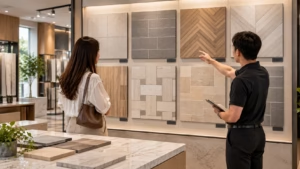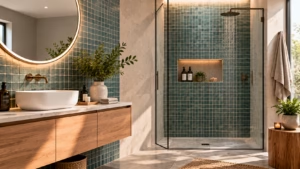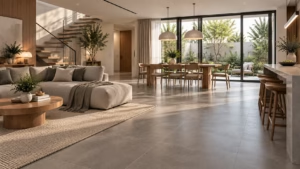
Wooden floor tiles are porcelain tiles printed and textured to resemble timber planks, and they are commonly chosen in Malaysia because they tend to handle humidity, spills and daily wear differently from real wood. Real timber, engineered wood, laminate and vinyl each bring a different look, feel and maintenance routine, so the right choice depends on the room, budget and how the space is used. None of these options is automatically the correct one for every project. As always, check the specifications before you specify.
What Are Wooden Floor Tiles?
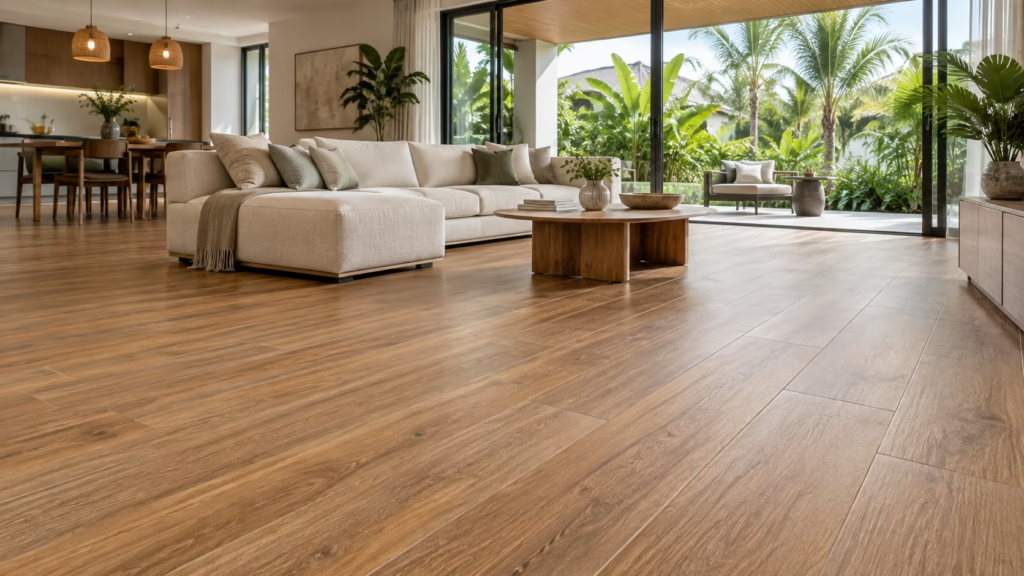
Wooden floor tiles, also called wood-look or timber-look tiles, are porcelain tiles manufactured in plank shapes with a printed and textured surface designed to resemble the grain, colour and texture of real wood. They are a category of floor tiles design rather than a wood product, so their performance characteristics generally follow porcelain, not timber.
- Base material. Wood-look tiles may be glazed porcelain or, depending on the product, full-body porcelain, which is generally associated with lower water absorption than many other flooring materials.
- Format. Commonly produced as elongated planks, though square and rectangular formats also exist depending on the collection.
- Surface. Digitally printed wood grain, paired with a textured or matte finish intended to mimic the tactile feel of timber.
- Category fit. Sits alongside other types of floor tiles such as stone-look, concrete-look and plain-colour porcelain.
Why Wood-Look Porcelain Is Popular in Malaysia
Wood-look porcelain is commonly selected in Malaysian homes and projects because the tropical climate, humidity and pest exposure can be more demanding on real timber floors than on porcelain. Buyers often want a warm, natural look without some of the upkeep associated with solid wood in a wet, humid environment.
- Humidity and moisture. Malaysia’s year-round humidity and heavy rainfall can cause solid timber to expand, contract or cup over time, whereas porcelain tiles are generally more dimensionally stable under moisture exposure.
- Termite exposure. Termites can affect timber flooring, while porcelain does not provide a food source for termites.
- Wet and dry kitchen use. Open-plan homes with adjoining wet and dry kitchen areas commonly extend a single floor tiles design across both zones for visual continuity.
- Maintenance routine. Porcelain can generally be maintained with routine sweeping and damp mopping, while some timber floors may require periodic sealing or refinishing.
Suitability still depends on the specific product, the room’s exposure to water, and how the floor will be used, so final specifications should be confirmed with the project consultant, installer, or relevant professional.
How Wood-Look Tiles Are Made
Wood-look tiles are produced using digital printing technology that transfers high-resolution timber images onto the tile surface before glazing and firing, giving each plank a grain pattern intended to resemble natural wood. Manufacturing also shapes how uniform or varied the finished floor will look.
- Digital printing. High-definition inkjet printing applies wood-grain detail to the tile surface, with multiple print variations commonly used to reduce obvious repetition.
- Plank formats. Elongated plank shapes are intended to echo the proportions of timber strip flooring, with lengths and widths varying by collection.
- Shade and grain variation. Manufacturers may include different grain and tone variations within a range, helping the finished floor look less repetitive when laid.
- Surface texture. Some collections add a textured or embossed surface synchronised with the printed grain, intended to mimic the tactile feel of real wood underfoot.
- Firing and finishing. As with other porcelain products, the tile is fired at high temperature, which generally contributes to its hardness and low water absorption compared to unfired materials.
Wood-Look Tiles vs Real Timber, Engineered Wood, Laminate and Vinyl
Each flooring type brings a different balance of appearance, moisture tolerance and maintenance, and the right one depends on the room and household priorities rather than a single “better” option. The table below is a general comparison only; actual performance depends on the specific product selected.
| Flooring Type | Moisture Tolerance | Maintenance | Commonly considered for |
| Wood-look porcelain tiles | Generally low water absorption | Sweep and damp mop | Wet/dry kitchens, living areas, whole-home use |
| Real solid timber | More sensitive to moisture; termite resistance varies by species and treatment | Periodic sealing/refinishing | Dry, climate-controlled interiors |
| Engineered wood | Moderate, product-dependent | Careful cleaning, avoid standing water | Bedrooms, dry living spaces |
| Laminate | Sensitive to standing water | Simple sweep/vacuum | Dry rooms, budget renovations |
| Vinyl (LVT/SPC) | Generally water-resistant | Simple wipe-clean | Selected internal areas, depending on product |
- Look and feel. Real timber offers a natural material feel and unique grain that no printed surface fully replicates, while wood-look porcelain offers a consistent, engineered appearance.
- Common comparison point. Malaysian buyers often compare wood-look tiles against real timber more generally. Hardwood species vary considerably in density, natural durability and resistance to insect attack, and the suitable species and grade would be confirmed with the timber supplier.
- Underfoot sensation. Timber and engineered wood often feel warmer and slightly softer underfoot than porcelain, which some homeowners weigh against the tile’s durability.
- Tropical climate factor. Tile is generally harder and cooler underfoot than timber, which many Malaysian homeowners consider an advantage in a tropical climate, though it can read differently from timber in bedrooms.
- Long-term value. Porcelain tends to hold its surface appearance over years of use when properly specified, installed, and maintained, while timber floors may need refinishing to restore their look.
- Repairability. Damaged timber boards can sometimes be sanded or replaced individually; a cracked tile generally needs full tile replacement, which can be planned for with spare stock.
Where Wood-Look Tiles Work Well
Wood-look tiles are commonly considered for spaces where a timber aesthetic is wanted but moisture, foot traffic or maintenance concerns make real wood less practical. They also allow a consistent floor tiles design to run through multiple zones of a home.
- Open-plan living and dining areas. A continuous plank pattern can visually connect adjoining zones without material transitions.
- Wet and dry kitchens. Porcelain’s generally low water absorption makes it a common choice where cooking splashes or spills occur.
- Hallways and high-traffic corridors. A suitable porcelain product can be considered for frequently walked areas, subject to its technical specification.
- Balconies and semi-outdoor areas. Certain wood-look ranges are designed for exterior or semi-exposed use; suitability should be confirmed against the specific product’s technical data.
- Renovation projects replacing damaged timber. For timber floors affected by moisture or termites, wood-look porcelain can be considered where a similar visual direction is desired.
Where Wood-Look Tiles May Not Be the Right Fit
Wood-look tiles are not automatically suitable for every application, and some situations call for closer review before specifying.
- Preference for authentic material feel. Buyers who specifically want the tactile warmth, sound and aging character of real wood may find porcelain’s consistency less appealing.
- Very tight budgets on small areas. For a single small room, laminate or vinyl may offer a lower entry cost, though long-term value depends on the project.
- Uneven or non-standard substrates. Tile installation generally requires a substrate prepared to the tile and adhesive manufacturer’s specifications, so heavily uneven subfloors may need substantial preparation first.
Where any of these concerns apply, the suitable flooring choice would depend on the room’s function, budget and long-term plans, and should be confirmed with the project consultant or installer.
Plank Layout, Offset and Grout Considerations
How wood-look planks are laid has a significant visual impact, so layout, offset and grout choice should be planned before ordering. These decisions also affect how convincingly the floor reads as timber. General tile layout principles apply, adapted for plank proportions.
- Plank size. Wood-look tiles are produced in a range of plank formats, and longer, narrower planks generally read closer to real timber proportions. Sizes vary by manufacturer and would be confirmed against the product range.
- Running bond (brick-lay). Planks are commonly laid in a staggered pattern that echoes traditional timber strip flooring; the exact stagger amount is product-dependent and a reduced offset may be recommended instead of a larger one, depending on the tile.
- Herringbone or chevron. These angled patterns can add a distinctly decorative, parquet-like character but generally involve more cutting and higher wastage.
- Straight (stack) bond. Aligning plank edges in a grid creates a more modern, uniform look, though it can also make any shade variation between tiles more visible.
- Grout colour and joint width. Joint width should follow the tile and installation system specifications rather than a fixed general figure; a grout tone close to the tile colour is commonly chosen to keep the wood-like continuity, and grout selection also affects long-term cleaning.
- Shade blending. Because planks are drawn from multiple print variations, installers commonly mix tiles from different boxes during laying to avoid visible clustering of the same pattern.
Final layout, offset and setting-out decisions should be confirmed with the installer or project consultant ahead of ordering.
Choosing a Floor Tiles Texture and Finish
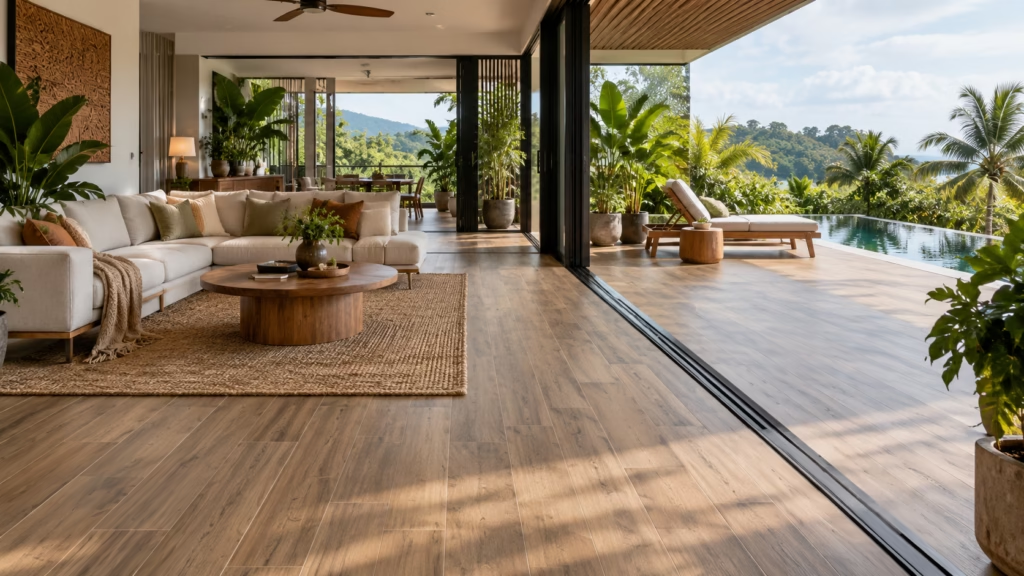
The surface texture and finish of a wood-look tile affect both its realism and its everyday performance, and these should be assessed together rather than on looks alone. This is a distinct decision from the layout pattern covered above.
- Matte and textured finishes. Commonly considered for floor applications, as these finishes are often selected to soften surface reflection and provide a more tactile, wood-like surface.
- Embossed grain. Some tiles carry a physical texture registered to the printed grain, adding depth beyond a flat printed image.
- Slip resistance. Where a wood-look tile is intended for areas prone to water, its slip resistance rating should be reviewed against the intended use; see the anti-slip tiles ratings guide for how different test methods compare. The relevant test method and product rating should be reviewed against the intended application and project requirements.
- Glossy finishes in wet areas. Glossy wood-look finishes may provide less traction when wet, so matte or textured surfaces are often considered for areas exposed to water. The specific product’s slip-resistance data should be reviewed before specifying.
- Surface wear. For glazed wood-look tiles, PEI rating is commonly referenced as a general guide to surface wear; unglazed or full-body ranges are typically assessed by deep abrasion resistance instead.
Wood-Look Tiles in Hospitality and Showroom Settings
Wood-look porcelain is also considered for hospitality venues, showrooms and commercial interiors seeking a warm, timber-inspired look. Suitability for higher foot traffic depends on the specific product specification.
- Hotel lobbies and corridors. Continuous plank flooring is often used to create a warm first impression while supporting frequent cleaning cycles.
- Retail and showroom floors. A timber look can complement product displays without the maintenance schedule some retailers associate with real wood.
- F&B outlets. Wood-look tiles are sometimes selected for dining areas where spills are more frequent than in typical homes.
Project-scale specification should always be confirmed against the intended traffic level, cleaning regime and the product’s technical data sheet.
Frequently Asked Questions About Wooden Floor Tiles
Can wood-look tiles be installed over an existing timber floor?
This generally depends on the condition, stability and structure of the existing floor, as well as the tile and adhesive system specified. In many cases a suitable substrate preparation or underlayment may be needed. This should be assessed and confirmed by the installer or project consultant before work begins.
Do wood-look tiles feel cold underfoot compared to real wood?
Porcelain tiles can feel cooler underfoot than timber in many cases, though this varies with the room, ventilation and time of day. Some homeowners address this with rugs in seating areas. This is a comfort preference rather than a performance issue.
Do wood-look tiles sound different underfoot compared to real timber?
Porcelain generally produces a harder, more resonant sound underfoot than solid or engineered timber, which some homeowners notice more than others. The substrate, underlay and furnishings such as rugs can all influence this. It is a comfort preference rather than a performance concern.
Will the printed wood grain fade or wear off over time?
Depending on the manufacturing process, the wood-look pattern may be integrated into or beneath the glaze rather than applied as a simple surface coating. Long-term appearance can still depend on the product, finish and maintenance routine.
Can I mix wood-look tiles with plain-colour or stone-look tiles in the same home?
Yes, this is commonly done, often using wood-look tiles in living and dining areas and a different floor tiles design in wet areas. Coordinating tones and transitions is generally recommended, and a consultant can help plan the layout across zones.
How do I keep a wood-look tile floor looking good long-term?
Routine sweeping and damp mopping with a manufacturer-recommended cleaner are generally suitable for maintaining porcelain wood-look floors. Avoiding abrasive scouring pads on textured surfaces is generally advised. Specific care recommendations should follow the product data sheet.
Is wood-look tile suitable for a car porch or outdoor area?
Some collections are designed for exterior or semi-outdoor use, as covered in the outdoor tiles guide, but not all wood-look ranges are, so this should never be assumed. Outdoor performance depends on factors such as slip resistance rating and weather exposure, and suitability should always be confirmed with a project consultant before specifying.
Conclusion
Wooden floor tiles offer a porcelain-based alternative to timber that many Malaysian homeowners consider for its general moisture tolerance and lower maintenance routine compared to solid wood. Real timber, engineered wood, laminate and vinyl each remain valid options depending on the room, budget and desired feel underfoot. Layout, texture and finish all influence how convincingly a wood-look floor recreates the character of timber.
Always check the product data sheet against the intended application before finalising a choice.
To review wood-look tile options and their data, browse the Kimgres tile collection, or contact Kimgres for samples and product data.
Note: Tile suitability, durability, and slip resistance may vary depending on project conditions, installation methods, and usage. Final selection should be confirmed with your project consultant or relevant professional.