Terracotta floor tiles bring a warm, heritage-inspired look to Malaysian interiors, whether through traditional fired clay or terracotta-look porcelain. The two options differ in absorption, sealing needs and colour consistency, and each tends to suit different project conditions. Pattern and palette choices can add character without overwhelming a space when used thoughtfully. As always, check the specifications before you specify a terracotta or heritage-look tile for your project.
Warm Earthen Tones in Malaysian Interiors
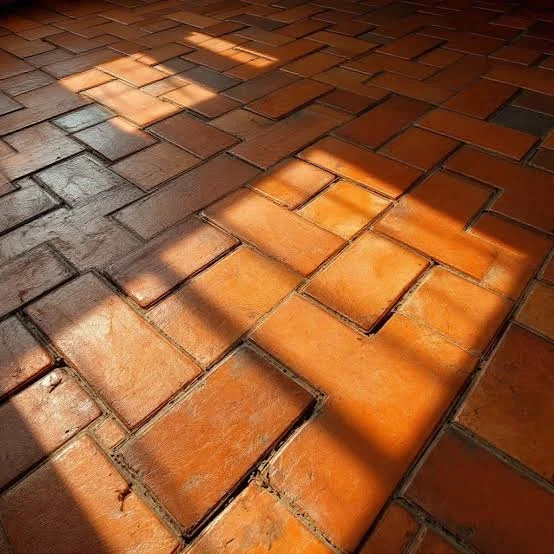
Warm earthen tones are increasingly used in Malaysian homes, cafes and boutique hotels, offering an alternative to cooler neutral palettes. Terracotta floor tiles bring warm, earthy tones that pair well with natural light, greenery and other neutral finishes.
- Warmer palettes overall. Rust, ochre, clay and burnt-orange tones are increasingly paired with cream, sage and charcoal in open-plan layouts.
- A preference for warmer interiors. Terracotta tones can introduce colour and texture into otherwise neutral spaces.
- Hospitality-led trend. F&B outlets and boutique stays often use warm floors to create a relaxed, welcoming first impression.
- Works with existing materials. Earthen tones commonly sit well alongside exposed brick, timber screens and rattan furniture already common in Malaysian homes.
Traditional Terracotta vs Terracotta-Look Porcelain
Traditional fired terracotta and terracotta-look porcelain can achieve a similar warm, earthy appearance but differ in composition, water absorption and maintenance needs. Working through these differences generally helps in deciding which is more practical for a given space, as covered in our guide to choosing porcelain tiles.
- Composition. Traditional terracotta is a fired clay product, often more porous, while terracotta-look porcelain can reproduce the colour and texture through different surface or body technologies.
- Water absorption. Porcelain tiles are generally associated with lower water absorption. Water absorption should be checked against the applicable product standard and data sheet when assessing suitability for a project.
- Consistency. Traditional terracotta may show more variation piece to piece, while porcelain products can offer more controlled colour and dimensional consistency, depending on the product.
- Sealing needs. Traditional terracotta may require sealing and periodic maintenance, while porcelain products generally do not require the same type of sealing, depending on the specific product.
These figures are general references rather than regulatory requirements, and suitability depends on project-specific conditions, applicable standards and professional specification.
| Tile Type | Water Absorption | Sealing Needs | Colour Consistency | Commonly considered for |
| Traditional fired terracotta | Generally higher, more porous | Often required, periodic resealing | Natural variation | Heritage restoration, courtyards, covered verandahs |
| Terracotta-look porcelain | Generally lower, denser body | Often minimal, product-dependent | More uniform | Wet-prone areas, kitchens, high-traffic floors |
Terracotta finish and sourcing also vary within the “traditional terracotta” category itself, which affects appearance, absorption and maintenance beyond the general comparison above.
- Unglazed vs glazed. Unglazed terracotta is generally more porous and commonly requires sealing, while a glazed finish is typically less absorbent and easier to clean but can read less rustic.
- Sourcing and origin. Terracotta is produced from different clay bodies and sources, and colour, size tolerance and absorption vary accordingly, so the product data sheet would be reviewed rather than assumptions made from appearance.
Heritage, Shophouse and Peranakan Design References
Terracotta and heritage tiles references can be seen in Malaysia’s shophouse and Peranakan architectural heritage, where clay floors and black and white floor tiles were common in five-foot ways, courtyards and airwells. This reference point is distinct from Malaysian batik motifs, which are explored separately in our batik tile design feature.
- Five-foot way flooring. Historic shophouses used a range of floor finishes, including clay and patterned tiles, depending on the building and period.
- Courtyard and airwell zones. Terracotta tones can be paired with timber screens and greenery to reference the character of traditional courtyard settings.
- Contemporary reinterpretation. Contemporary projects can reinterpret these warm tones in lobbies, cafes and heritage-inspired spaces without reproducing historic tile designs exactly.
- A tone, not just a motif. Heritage-inspired terracotta references can focus on colour, texture and material character rather than pattern alone.
- Ventilation and breeze blocks. Terracotta breeze blocks are a related fired-clay detail traditionally used for shading and cross-ventilation, and still appear in contemporary designs referencing the same warm palette.
Where Warm Earthen Tones Work Best
Warm earthen tones can work well in hospitality, semi-outdoor and transitional spaces, as well as selected areas of the home. As a general guide, the intended use, traffic level and moisture exposure of a space should guide the final selection.
- F&B and hospitality. This spaces may use warm-toned floors to create a more relaxed visual character.
- Courtyards and verandahs. Semi-outdoor zones can suit natural, warm tones, though exterior suitability should be checked against the specific product requirements.
- Wet and dry kitchens. Earthen tones can work well in kitchen spaces, though wet-kitchen areas should be reviewed for water absorption and surface characteristics before specification.
Pairing Terracotta Tones with Timber, Rattan and Greenery
Terracotta tones pair naturally with timber, rattan and other textured materials, adding warmth and visual contrast. Balance is generally achieved by limiting the number of competing textures in one room and letting the flooring anchor the palette.
- Timber. Light oak or teak-toned furniture and flooring accents commonly complement the reddish-orange undertones of terracotta floors.
- Rattan and wicker. Woven furniture pieces add texture without introducing additional colour competition.
- Greenery. It can soften the warmth of earthen floors and reinforce a natural, tropical feel.
- Metal accents. Matte black or brushed brass fixtures are often used sparingly to add contrast against warm floor tones.
Sealing, Patina and Maintenance Expectations
Maintenance expectations differ depending on whether a fired terracotta or a terracotta-look porcelain product is chosen, and these should be confirmed against the product data sheet before specification. Patina refers to gradual changes in surface appearance over time and may be considered part of the character of traditional terracotta.
- Resealing. Resealing needs vary by product, sealer and exposure. Follow the relevant sealer and product manufacturer’s maintenance guidance.
- Patina development. Fired terracotta may develop changes in appearance over time, depending on use, cleaning and exposure.
- Porcelain maintenance. Terracotta-look porcelain generally requires routine cleaning, while maintenance requirements remain product-specific.
- Grout considerations. Grout colour and upkeep, covered in our tile grout guide, also affect the overall look over time.
- Cleaning products to avoid. Avoid acidic, strongly alkaline or abrasive cleaners unless the product and sealer manufacturers specifically recommend them. Follow the stated cleaning method for the product.
Using Pattern Without Overwhelming a Space
Patterned and encaustic-look tiles can add character to a terracotta-toned space. Using them in defined zones can also help control visual density. As a general guide, pairing a patterned zone with plain terracotta-look tiles elsewhere helps maintain visual balance.
- Zone the pattern. Patterned or encaustic-look tiles can be used in entryways, backsplash zones or defined accent areas.
- Keep walls simple. Patterned floors commonly pair with plain-toned walls to avoid visual competition.
- Consider scale. Larger patterns tend to create a stronger visual statement, while smaller repeat patterns can work well where a subtler scale is preferred.
- Mind the design language. Encaustic-look patterns sit apart from the raw, poured-concrete look of cement design tiles, and both differ from printed batik-inspired motifs.
- Common layout patterns. Terracotta and terracotta-look tiles could be laid in tile layout patterns such as brick bond, herringbone or hexagon. The selected layout can affect cutting requirements and should be reviewed during setting-out.
Choosing Between Fired Terracotta and Porcelain for Your Project
Choosing between traditional terracotta and terracotta-look porcelain generally comes down to the project’s exposure conditions, maintenance capacity and design intent rather than appearance alone. Both can achieve a similar warm look, so the decision often rests on practical project factors.
- Moisture exposure. Wet-prone or semi-outdoor areas may favour porcelain where its product specifications suit the application.
- Maintenance capacity. Projects with limited maintenance capacity may consider porcelain where its care requirements suit the application.
- Design authenticity. Heritage restoration projects may require traditional fired terracotta where matching existing period materials is part of the conservation approach.
- Budget and availability. Sourcing, lead time and cost can vary between traditional terracotta and porcelain alternatives, and should be confirmed with the supplier.
- Professional specification. Final specifications should be confirmed with the project consultant, architect, installer or relevant professional based on the specific site conditions.
Practical Planning Checklist for Terracotta-Look Floors
Planning a terracotta-toned floor generally involves a few sequential decisions, from material type to finish and layout, before installation begins. Working through these decisions before installation can help reduce changes later in the project.
- Confirm the material type. Decide between traditional fired terracotta and terracotta-look porcelain based on moisture exposure and maintenance capacity.
- Check the finish. Review available textures and finishes against the desired heritage look and intended application.
- Review the palette. Confirm how the tone works alongside walls, furniture and lighting before ordering.
- Plan the pattern zone. Decide early whether pattern will be used throughout or contained to an accent area.
- Consult a professional. Final specifications, sealing requirements and installation methods should be confirmed with the project consultant, installer or relevant professional.
Frequently Asked Questions About Terracotta Floor Tiles
Do terracotta-look floors get too hot underfoot in a tropical climate?
Surface temperature depends on factors such as sunlight exposure, tile finish, surround materials and ventilation, rather than colour alone. Tile surfaces exposed to direct sunlight may become warmer, with the actual temperature depending on the product and site conditions.
Can terracotta-look tiles be used outdoors in Malaysia’s rainy weather?
Some terracotta-look porcelain tiles are designed with outdoor use in mind, though suitability depends on the specific product’s water absorption and surface characteristics. It is generally advisable to check the product data sheet and confirm with a project consultant before specifying for exterior areas.
Will terracotta tones clash with existing white or grey kitchen cabinetry?
Terracotta and earthen tones often pair well with both white and grey cabinetry, as the warm floor tone can provide contrast against cooler surfaces. Testing a sample against existing fixtures can help assess the overall colour combination before ordering.
Is it possible to mix terracotta floor tiles with cooler-toned tiles in an open-plan home?
Mixing tones across zones is common in open-plan layouts, often using terracotta in social or dining areas and cooler tones in bedrooms or bathrooms. A consistent transition strip or threshold detail can help the change feel intentional rather than accidental.
How do I know if a terracotta-look tile will fade over time?
Colour stability generally depends on the manufacturing process, surface technology and product specifications. Review the product data sheet and confirm colour-stability information with the supplier before large-scale specification.
Are terracotta floor tiles suitable for a small apartment?
Warm tones can work in smaller spaces, though scale and pattern choice matter. Larger-format terracotta-look tiles with fewer grout lines can create a more continuous visual appearance in compact layouts, subject to the space and installation requirements.
How often do terracotta tiles need resealing?
Resealing frequency generally varies by product, sealer type, traffic level and exposure conditions, so there is no fixed schedule that applies to every project. Following the sealer manufacturer’s guidance, and checking the surface periodically for changes in absorption or appearance, is generally the more reliable approach.
Conclusion
Terracotta and heritage-inspired floor tiles bring a warm, grounded character to Malaysian interiors, whether through traditional fired terracotta or terracotta-look porcelain. The right choice generally depends on moisture exposure, maintenance capacity and how closely a project needs to reference genuine heritage materials. Pattern, palette and pairing with natural materials all shape the final result.
Always check the product data sheet against the intended application before specifying a terracotta or heritage-look tile for a project.
To review terracotta and heritage tile options and their data, browse the Kimgres tile collection, or contact Kimgres for samples and product data.
Note: Tile suitability, durability, and slip resistance may vary depending on project conditions, installation methods, and usage. Final selection should be confirmed with your project consultant or relevant professional.