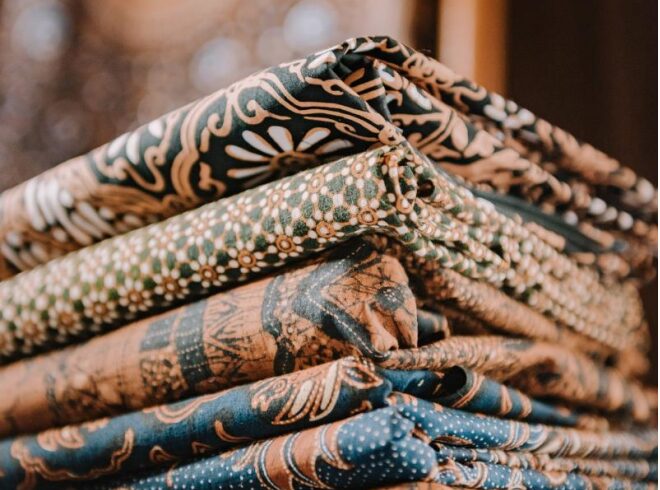
At the heart of Malaysia’s rich cultural heritage lies a timeless art form, batik. Renowned for its flowing floral motifs, vivid colours, and intricate detailing, batik is more than just fabric, it is a cultural legacy passed down through generations.
Today, this traditional art is making a vibrant comeback in the world of interior design. With a blend of innovation and craftsmanship, batik-inspired tiles are emerging as a meaningful way to infuse heritage into modern living. Here’s how this evolution from fabric to surface design is shaping homes and interiors in Malaysia and beyond.
The Art & History of Malaysian Batik
Batik traces its roots to Java, but it blossomed in Malaysia, especially along the east coast in Kelantan and Terengganu, where artisans developed a distinct freehand style. Malaysian batik stands out with its large, nature-inspired motifs, gentle brushstrokes, and radiant colours. Unlike Indonesian batik, which often employs copper stamps for intricate detailing, Malaysian batik is typically drawn by hand using brushes or canting tools. The result is a more expressive and fluid aesthetic that mirrors Malaysia’s tropical landscape and cultural diversity. From festive attire to school uniforms, batik has long played a role in everyday life, and now, it’s making its mark in interior spaces as well.
Behind the Craft: How Batik Is Made
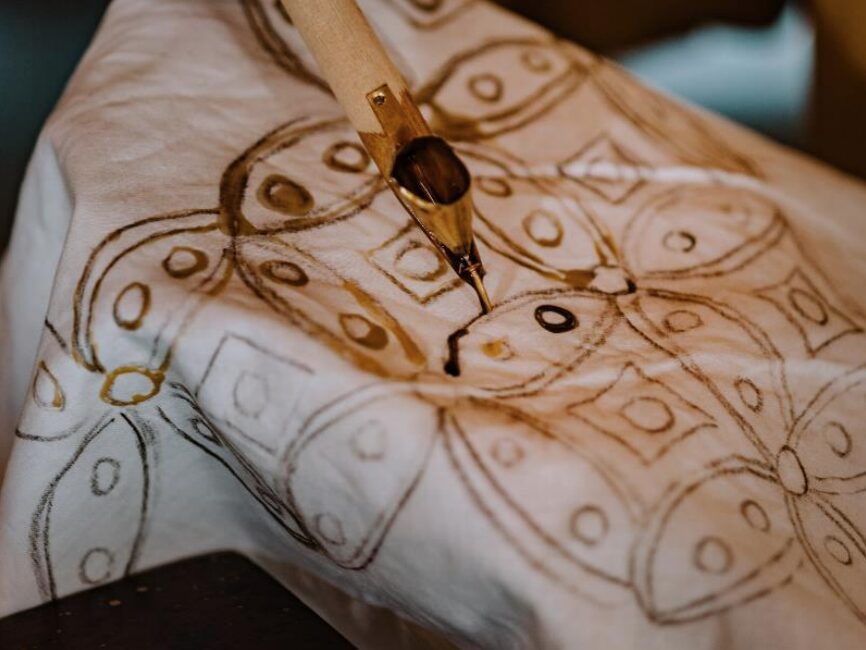
Traditional batik-making involves a meticulous wax-resist dyeing process that requires both patience and precision.
The typical steps include:
1. Sketching the motif onto cotton or silk fabric.
2. Applying wax to outline the design, preventing dye absorption in specific areas.
3. Dyeing the fabric, often in stages to build layers of colour.
4. Boiling the fabric to remove wax, revealing the completed pattern.
Each piece often carries symbolic meaning, drawing inspiration from local flora, fauna, and folklore. Today, many artisans are also turning to natural dyes and eco-friendly practices, making batik both a beautiful and sustainable art form.
The Artisans Keeping Batik Alive
Behind every batik creation is an artisan devoted to preserving this cultural treasure. In Malaysia, names like Noor Arfa Batik, Ruzzgahara, and various village cooperatives continue to innovate while upholding tradition. These artists are expanding their craft beyond textiles, collaborating with designers to translate batik into fashion, home décor, and now, architectural surfaces such as tiles.
Batik Meets Tiles: A New Medium for Tradition
We are proud to champion Malaysian heritage by transforming batik motifs into stunning ceramic and porcelain tiles. Using advanced printing technology, we reimagine traditional designs for modern interiors, offering a unique way to infuse cultural identity into contemporary spaces.
Ideal applications include:
- Feature walls in living rooms, bathrooms, and hotel lobbies.
- Kitchen backsplashes or café accents.
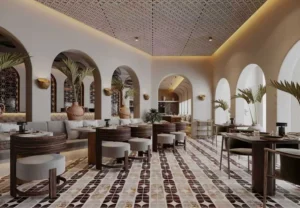
- Boutique retail interiors and heritage-inspired spaces.
Thoughtfully placed, batik tiles go beyond decoration, they become storytelling elements that evoke cultural pride.
Why Batik Tiles Are Special
1. Cultural Storytelling
Share Malaysia’s artistic legacy through expressive interior surfaces.
2. Versatile Aesthetic
Whether in traditional homes or modern cafés, batik tiles bring warmth, personality, and identity.
3. Heritage-Inspired Innovation
Fusing age-old motifs with tile technology ensures our culture continues to thrive, not fade.
4. A Sustainable Choice
By supporting local artisanship and celebrating homegrown design, you contribute to cultural preservation.
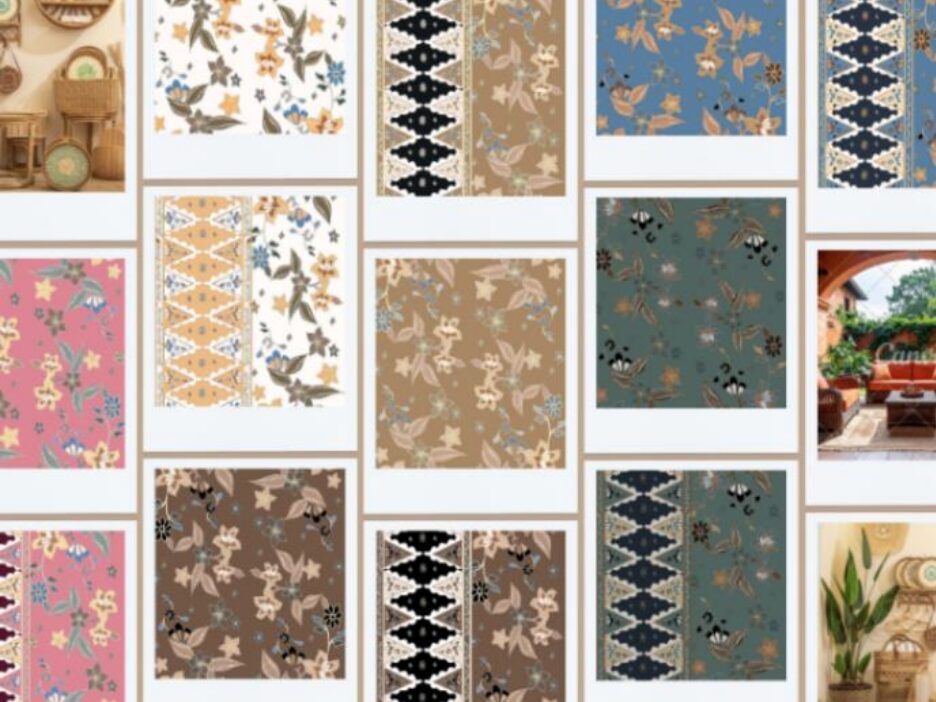
Batik Beyond Fabric: A Versatile Motif in Modern Design
Batik patterns have found their way into various industries, reflecting their enduring relevance and adaptability.
Beyond clothing, you’ll now find batik designs on:
- Home décor: Cushion covers, curtains, lampshades Ceramics: Plates, mugs, bowls with batik glazes.
- Fashion accessories: Scarves, bags, ties, sneakers Stationery: Gift boxes, wedding invites, notebooks.
- Furniture upholstery: Chairs, stools, custom batik sofas.
- Wood & metalwork: Laser-cut panels with traditional motifs.
- Glass: Stained or frosted panels with floral batik elements.
- Architectural tiles and panels: The newest canvas for cultural expression
This widespread integration shows how batik continues to evolve, honouring tradition while adapting to modern lifestyles.
How to Use Batik Tiles in Your Interior
Bring charm and soul into your space with these ideas:
- Make a bold statement with a batik feature wall behind your vanity or bed.
- Frame batik tiles as art in entryways or hallways.
- Use them sparingly in niches, borders, or backsplashes for a balanced look.
- Pair with natural materials like wood or stone to complement the design.
- Curate thematic corners in cultural cafés, boutique hotels, or homestays.
A Modern Canvas for the Malaysian Soul
Batik is more than a craft, it’s a mirror of our identity. With batik-inspired tiles, we honour the past while shaping a culturally rich design future. In homes, hotels, or commercial spaces, these tiles tell stories meant to be seen, felt, and remembered.
Looking Ahead: Our Upcoming Batik Tile Series
At Kimgres, we are thrilled to unveil our Batik-Inspired Tile Series, currently in development. This collection will celebrate Malaysia’s timeless artistry, designed to add soul, sophistication, and a sense of place to every project.
Have a batik design in mind? We welcome bespoke collaborations. Let’s bring your vision to life through tiles.