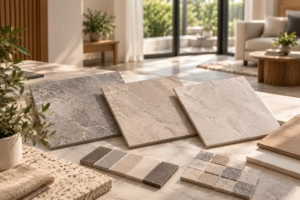
What Are Large-Format Tiles?
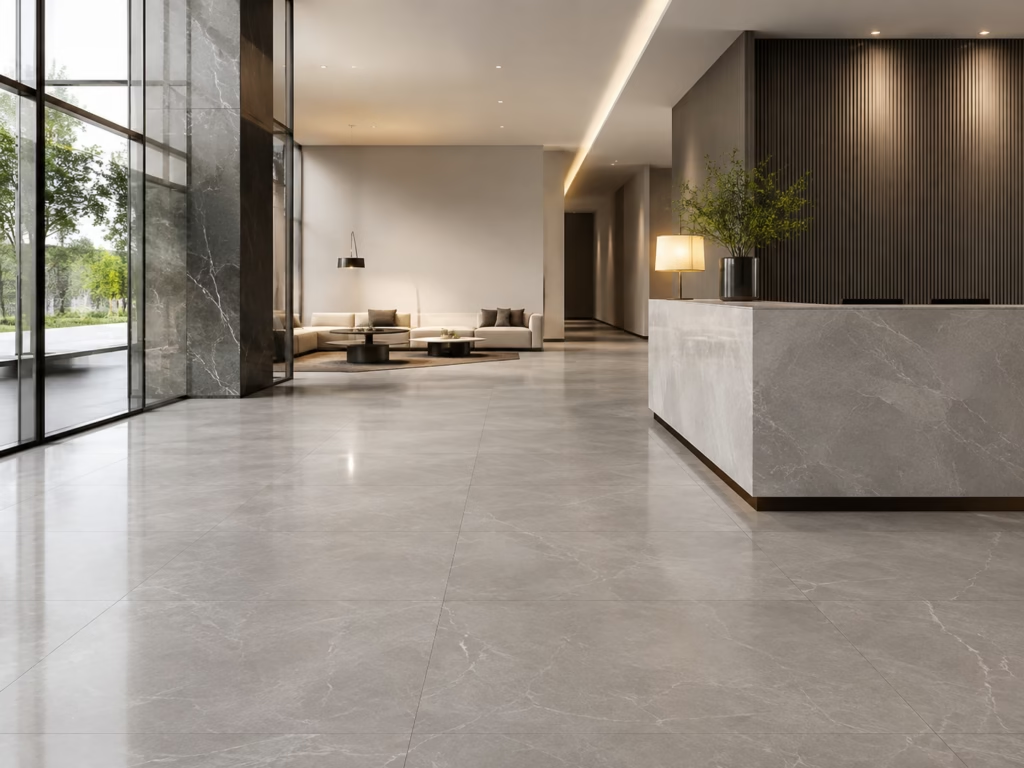
Large-format tiles are generally understood as tiles with at least one edge of 600 mm or more, though definitions vary between manufacturers and standards. The group runs from around 600 x 600 mm, roughly 2 x 2 feet, through large rectangles up to gauged porcelain panels that may reach about 1600 x 3200 mm.
Large-format tiles create a cleaner, more continuous appearance with fewer grout joints. They are commonly used in open-plan homes, commercial floors and feature walls. However, their larger size also requires careful planning during handling and installation. Plain-language definitions sit in the tilepedia glossary, and the wider family is covered in the complete guide to the types of floor tiles.
Common Large-Format Sizes
Large-format tiles come in a range of sizes, matched to the space, the layout, and the installation method. The table below shows formats that are commonly used. Treat these as examples, since the available sizes depend on the range.
| Size | Approximate imperial | Common Applications |
| 600 x 600 mm | About 2 x 2 feet | Floors and general interiors |
| 600 x 1200 mm | About 2 x 4 feet | Floors and feature walls |
| 800 x 800 mm | About 32 x 32 inches | Floors and lobbies |
| 1200 x 1200 mm | About 4 x 4 feet | Large open floors |
| 750 x 1500 mm and larger | Larger rectangles | Feature surfaces and commercial areas |
| Gauged panels, with sizes varying by manufacturer | Very large panels | Feature walls, facades, and worktops |
Larger formats are usually rectified, meaning the edges are ground to a precise size so joints can be kept narrow and consistent. The rectified tiles guide explains this in more detail.
Why Specify Large-Format Tiles?
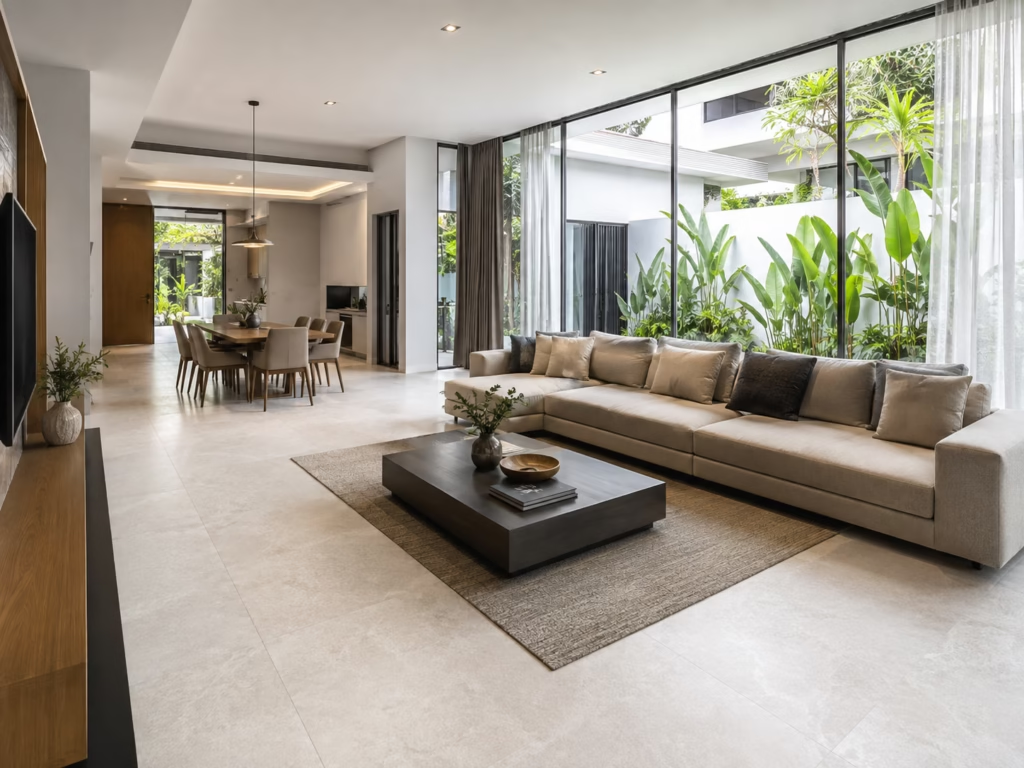
Large-format tiles are often selected for their clean appearance and reduced number of grout joints. They can help create visual continuity across large floors or feature walls and may also reduce the amount of grout that needs routine cleaning.
The final result depends on the tile, layout and quality of installation.
Substrate and Adhesive: Getting the Base Right
A flat substrate is the foundation of a good large-format installation. Because the tiles are long and rigid, a base that is not flat enough can cause lippage, where one tile edge sits higher than the next, or leave voids beneath the tile. Large-format tiles generally require closer attention to substrate flatness because uneven surfaces can make installation more difficult. High and low points are corrected before tiling, often with a levelling compound, to bring the floor within the tolerance referenced by the adhesive manufacturer and the relevant standard.
Adhesive choice and coverage matter just as much. A cement-based adhesive intended for large-format or heavy tiles is matched to the tile, the substrate, and the area, with the aim of full support behind the tile. Installers commonly use a suitable notched trowel and back-butter the tile, applying adhesive to its back as well, to reach high coverage. For wet areas and exterior applications, the required adhesive coverage should follow the tile, adhesive and installation system specifications. Site conditions vary, so the adhesive manufacturer guidance and the installer’s assessment take priority.
Joints, Lippage, and Movement
Lippage is more noticeable on large tiles, so careful installation and levelling are important. Joint width should be selected based on the tile, edge type and manufacturer’s recommendations.
For long rectangular tiles, the layout should also consider the natural curvature of the tile. A reduced stagger may be recommended instead of a 50% offset, depending on the product.
Movement joints should also be planned for large tiled areas, changes of plane, perimeters and structural joints.
Handling, Cutting, and Tiles on Walls
Large-format tiles require careful handling because of their size and weight. Depending on the format, installers may use lifting equipment, suitable cutting tools and more than one person during installation.
For wall applications, the substrate, adhesive and tile weight should be assessed together. Very large or heavy tiles may require additional support depending on the installation system. Whether a tile is suitable for a given wall is confirmed by its data sheet and the installer, and the broader floor-and-wall picture is covered in the complete guide to the types of floor tiles.
Slip Resistance and Wear for Large-Format Floors
For large-format floor tiles, slip resistance and wear should be assessed in the same way as other floor tiles. Wet areas such as bathrooms, kitchens and outdoor spaces require particular attention to the product’s slip resistance rating, and the rating systems are explained in the anti-slip tile ratings guide.
Wear depends on the tile. Glazed large-format tiles use the PEI rating for surface wear, while unglazed or homogeneous tiles in commercial areas are assessed by deep abrasion resistance instead, as covered in the guide to homogeneous tiles. Many large-some blog post targetted for Home/ commercial/ office / shoplot ownersformat tiles are porcelain, and the full selection process is set out in the guide to choosing porcelain tiles.
Are Large-Format Tiles Suitable for Malaysian Homes?
Large-format tiles can be used in many residential spaces, including living rooms, kitchens, bathrooms and feature walls. They are especially popular in open-plan areas where fewer grout joints can create a more continuous look.
The suitable size and finish depend on the room, tile specifications, layout and installation conditions.
A Quick Checklist for Specifying Large-Format Tiles
- Confirm the tile size and whether it is intended for floors, walls, or both
- Check substrate flatness against the tolerance referenced by the adhesive manufacturer
- Choose an adhesive and coverage suitable for the tile, substrate and installation conditions.
- Plan lippage control, joint width, and a suitable offset for longer formats
- Review movement joint placement for large fields and local conditions
- Plan handling and cutting, and for walls, weight and any extra support
- For floors, review the slip rating and the wear measure, whether PEI or deep abrasion
- Confirm the intended use and documents on the product data sheet, and follow installer guidance
Frequently Asked Questions About Large-Format Tiles
What is considered a large-format tile?
A large-format tile generally has at least one edge of 600 mm or more, although definitions can vary between manufacturers and standards.
Why are large-format tiles popular in Malaysia?
They provide a clean, continuous appearance with fewer grout joints. They are commonly used in open-plan homes, commercial floors and feature walls.
Do large-format tiles need a flat substrate?
Yes, flatness is one of the most important points. A base that is not flat enough can cause lippage or voids, so it is prepared to the tolerance referenced by the adhesive manufacturer and the relevant standard.
Can large-format tiles be used on walls?
They can, where the tile is suitable and the wall and adhesive can carry the weight. A sound substrate and a suitable adhesive are needed, and very large or heavy tiles may require extra support. The data sheet and installer confirm suitability.
Are large-format tiles harder to install?
They are more demanding, since they need careful substrate preparation, the right adhesive and coverage, lippage control, and careful handling. It is best to work with an experienced installer, and manufacturer instructions take priority.
Conclusion
Large-format tiles can create a clean and spacious look across residential and commercial spaces. Choosing the right size is only part of the process. Substrate preparation, installation method, joint planning and product specifications should also be considered before installation.
Explore Kimgres’ large-format tile collections and product information, or contact our team to discuss suitable options for your project.
For the large format tile, can direct to Kimgres Atelier
Note: Tile suitability, durability, slip resistance, and installation requirements may vary depending on project conditions, safety regulations, and local standards. Final selection and installation should be confirmed with your project consultant, installer, or relevant professional.