What Are Porcelain Tiles?
Porcelain tiles are made by firing refined clays at a high temperature, which produces a dense body and very low water absorption, usually 0.5 percent or lower. That density is the whole point: it is what lets porcelain handle the wet, busy, and outdoor conditions common in Malaysian homes.
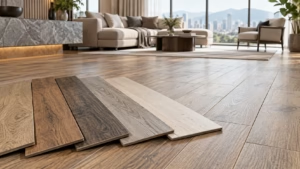
Porcelain is a wide group rather than one product. It includes glazed, full-body (homogeneous), polished, and textured tiles, and it can imitate stone, marble, cement, or wood. Because the range is so broad, choosing porcelain is really about matching the type and specifications to the surface. It is one of several options covered in the complete guide to the types of floor tiles.
Porcelain vs Ceramic: What Is the Difference?
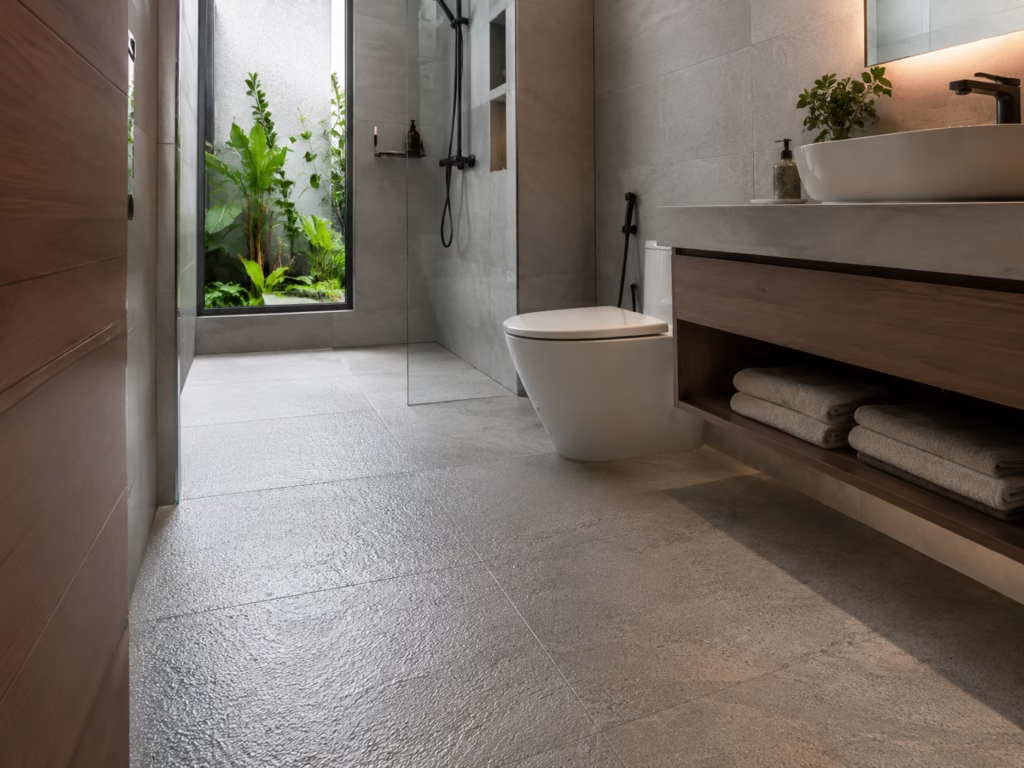
Both porcelain and ceramic are made from fired clay, but porcelain generally has lower water absorption and a denser body. While porcelain is commonly selected for demanding applications such as floors and outdoor areas, ceramic remains a popular choice for walls and decorative surfaces. The best option depends on the intended application, the guide to choosing ceramic tiles covers that side, and the full comparison sits in the porcelain versus ceramic guide.
What Types of Porcelain Tiles Are There?
Each type of porcelain suits a different look and surface. The table below sets out the main ones. Treat these as general patterns, and confirm the intended use on the product data sheet.
| Type of porcelain | Description | Commonly used on |
| Glazed porcelain | A glaze layer over a porcelain body, with a wide design range | Floors and walls |
| Full-body (homogeneous) | Colour and pattern run through the whole tile | High-traffic and commercial floors |
| Polished porcelain | Mechanically polished for a high shine | Feature floors and walls, drier areas |
| Textured or structured | A profiled surface for extra grip | Wet floors and outdoor areas |
Each type of porcelain tile offers different advantages depending on the application. For example, full-body porcelain is commonly selected for high-traffic areas, while polished porcelain is often used where a brighter, reflective appearance is preferred. Always review the product specifications, homogeneous tiles guide before making your selection.
Which Specifications Should You Check?
Rather than relying on a single specification, consider these ratings together to determine whether a tile is suitable for your intended application.
| Specification | What it tells you | Common reference |
| Water absorption | How dense the tile is and how little moisture it takes in | ISO 10545-3, usually 0.5% or lower |
| Wear rating (PEI) | Surface wear resistance for glazed floor tiles | ISO 10545-7 |
| Slip resistance | Grip on the surface, especially when wet | R-rating or Wet Pendulum P-rating |
| Breaking strength | Resistance to breaking under load | ISO 10545-4 |
Tile finish affects appearance, maintenance and traction. Matte and textured finishes are commonly selected for floors, while polished or glossy finishes are often used on walls and feature areas. Always review the product’s slip resistance when selecting tiles for wet floors. Read out our anti-slip tile ratings guide.
How to Choose Porcelain Tiles for Each Area
Different areas of a Malaysian home point toward different porcelain choices. The table below is a quick guide, pairing each space with a suitable type and finish.
| Area | Suitable porcelain and finish | Why it fits |
| Living room and bedroom | Glazed or full-body, matte or semi-polished | Everyday durability with a clean look |
| Wet and dry kitchens | Full-body or glazed, matte finish | Handles spills, grease, and frequent cleaning |
| Bathrooms | Textured or matte porcelain | Grip matters most where floors get wet |
| Car porch, balcony, walkway | Textured or structured porcelain | Traction for rain-exposed outdoor areas |
| Feature walls | Polished or glazed porcelain | A bright, reflective surface in a dry spot |
The pattern is simple: choose matte or textured finishes where water is involved, and save polished or glossy surfaces for dry floors, walls, and features. For a fuller room-by-room view, see the guide to the best tile types for each room in Malaysia.
Size, Edges, and Installation
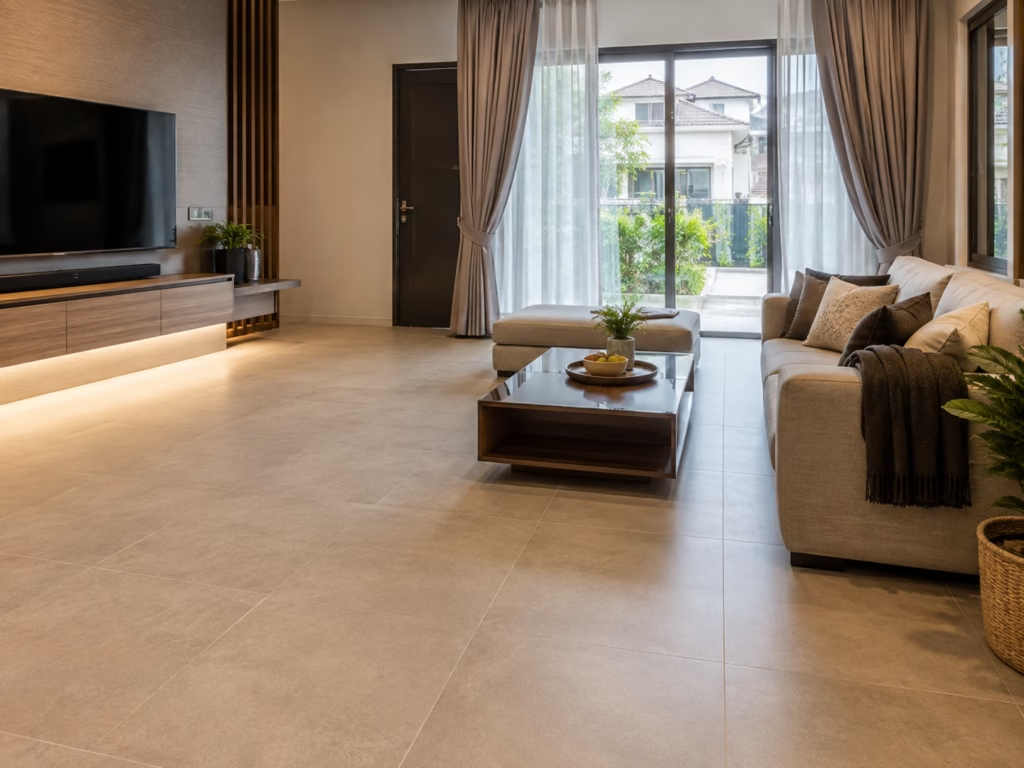
Porcelain tiles are available in a wide range of sizes. Larger formats create a cleaner appearance with fewer grout joints, while smaller sizes offer greater flexibility for compact spaces and feature areas. Rectified tiles allow narrower grout joints for a more seamless finish. The rectified tiles guide explains the difference.
Because porcelain is a dense material, suitable tools and installation methods are generally required. Large-format tiles may also require additional preparation to achieve proper support. Installation should always follow the manufacturer’s recommendations and site conditions.
A Quick Checklist for Choosing Porcelain Tiles
- Confirm the porcelain type, whether glazed, full-body, polished, or textured, against how the surface will be used
- Check that water absorption is 0.5 percent or lower for genuine porcelain
- For floors, match the PEI wear rating to the traffic level
- For wet areas and outdoors, review the slip resistance rating
- Choose matte or textured finishes for wet floors, and polished for dry features
- Consider size and edges, including rectified porcelain for a minimal-joint look
- Review large-format installation needs with your installer
- Confirm the intended use on the product data sheet before buying
Frequently Asked Questions About Porcelain Tiles
What are porcelain tiles used for?
Porcelain tiles are commonly used for floors, wet areas, outdoor surfaces, and high-traffic spaces, because the dense body and low water absorption suit demanding conditions. They also work well on walls and feature surfaces, especially in polished or glazed finishes.
Is porcelain better than ceramic for floors?
Porcelain is often preferred for floors because it is denser and absorbs less water, though the right choice depends on the area and the traffic. Ceramic remains a sensible, affordable option for walls and lighter-use floors.
Can polished porcelain tiles be used on wet floors?
Polished porcelain looks bright, but it offers less grip when wet, so it is better suited to dry floors, walls, and features. For wet floors, a matte or textured finish with a suitable slip rating is the safer choice.
Are porcelain tiles good for outdoor use in Malaysia?
Textured or structured porcelain is a common choice for car porches, balconies, and walkways, where monsoon rain makes grip essential. The low water absorption also helps porcelain cope with wet, outdoor conditions.
Are porcelain tiles difficult to install?
Because porcelain is dense, it needs the right cutting and drilling tools, and large-format tiles call for a prepared, level base. It is best to review installation with an experienced tiler.
What water absorption should porcelain tiles have?
Porcelain tiles generally have a water absorption rate of 0.5% or lower. Always refer to the product data sheet for the exact specification.
Conclusion
Choosing the right porcelain tile involves more than selecting a design. By considering the tile type, finish, technical specifications and intended application, you can choose a product that suits your project’s functional and aesthetic needs. Always review the product data sheet before making your final selection.
To review porcelain options and their data, browse the Kimgres tile collection, orcontact Kimgres for samples and product data.
Note: Tile suitability, durability, and slip resistance may vary depending on project conditions, installation methods, safety regulations, and local standards. Final selection should be confirmed with your project consultant or relevant professional.