What Is the Difference Between Floor Tiles and Wall Tiles?
Floor and wall tiles may share similar designs, but they are made for different purposes. Understanding these differences helps you choose tiles that are suitable for durability, safety and long-term performance.
This difference is the reason the two are not always interchangeable. A surface that works well on a wall may not be intended for a floor, and the other way around. The clearest way to tell them apart is the intended use stated on the product data sheet, which would generally list a tile as suitable for floors, walls, or both. Plain-language definitions of these terms also sit in the tilepedia glossary.
Floor Tiles vs Wall Tiles at a Glance
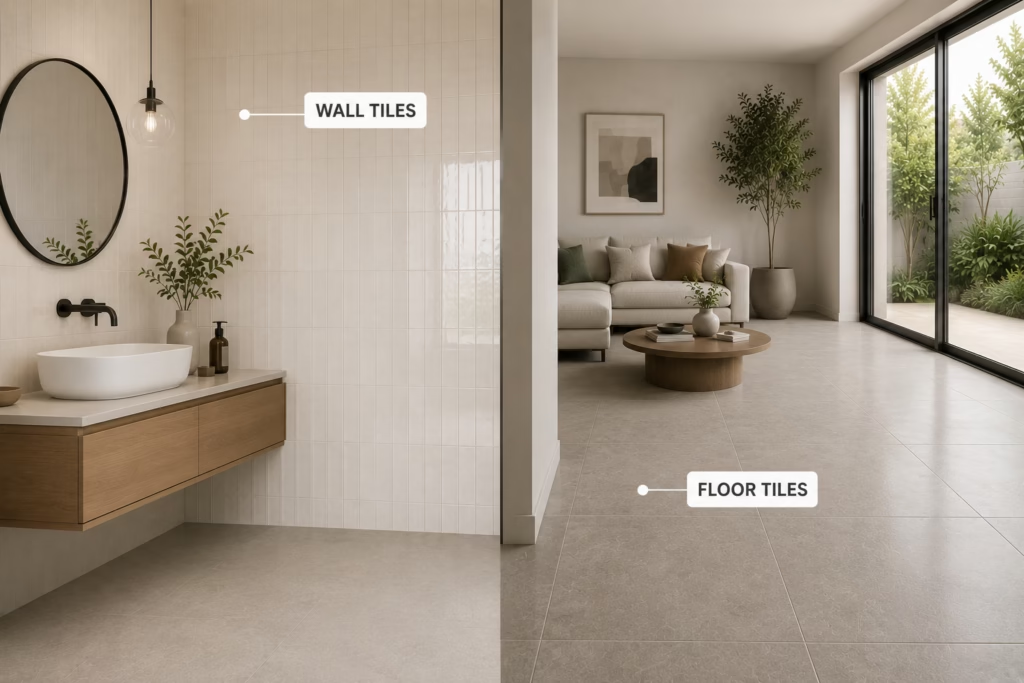
The table below sets out how floor and wall tiles are commonly compared. These are general patterns rather than fixed rules, and the product data sheet would confirm the intended use for a specific tile.
| Attribute | Floor tiles | Wall tiles |
| Thickness | Generally thicker | Generally thinner |
| Wear rating (PEI) | Commonly rated for foot traffic | Often PEI 0, not rated for traffic |
| Slip resistance | Commonly reviewed and rated | Generally not a focus |
| Typical finish | Matte or textured for traction | Often glossy or satin for design |
| Weight | Heavier | Lighter |
| Intended use | Floors, and often walls | Walls only, unless rated otherwise |
Can Floor Tiles Be Used on Walls?
In many cases, yes. Floor tiles can often be installed on walls because they are generally designed to meet higher performance requirements. However, their weight should be considered, and installation should follow the manufacturer’s recommendations.
Large-format and heavier floor tiles may require suitable adhesives and installation methods when used on walls. A guide on the installation and joints are covered further in rectified tiles guide. Installation requirements vary by product and site conditions, so they should be reviewed before installation.
Can Wall Tiles Be Used on Floors?
Generally, no. Wall tiles are not typically designed for foot traffic and should only be used on floors if the manufacturer specifies they are suitable for floor applications. For wet areas, slip resistance should also be reviewed.
The wear rating is the key figure to check here. A wall tile is often rated PEI 0, which indicates no foot traffic, while a floor tile carries a higher class. There is more on this figure in the guide to PEI ratings and tile durability. Where a floor may become wet, the slip resistance rating would also be reviewed, as covered in the anti-slip tiles ratings guide.
Tiles Rated for Both Floor and Wall Use for a Continuous Look
Some tiles are specifically rated for both floor and wall applications, making them suitable for creating a seamless design. Always confirm the intended application in the product data sheet before installation.
A common design goal is a continuous look, where the same tile, or coordinating tiles, run across the floor and up the wall. This is achievable in two ways. The first is a single tile rated for both surfaces, carried from floor to wall. The second is a pair of coordinating tiles, with a floor tile and a matching wall tile from the same range.
Coordinating ranges are common because they allow each surface to use a tile intended for it, while keeping a consistent colour and design. A matte or textured floor may be paired with a glossy or satin wall in the same tone, for example. To preview how floor and wall combinations may look together, the Kimgres visualiser is a quick starting point, and room-specific guidance is covered in the guides to bathroom tiles and kitchen tiles.
A Quick Checklist Before You Choose
- Check the intended use on the product data sheet, which would list a tile as suitable for floors, walls, or both, not appearance alone.
- For floors, review the PEI rating for surface wear and, for wet areas, the slip resistance rating.
- Before using a wall tile on a floor, confirm the tile is also rated for floor use.
- Before using a floor tile on a wall, review the weight with the installer, along with the adhesive and substrate.
- For a continuous look, consider a tile rated for both surfaces, or coordinating floor and wall tiles from one range.
- Review the product data, certificates, and supporting documents for project work.
Frequently Asked Questions About Floor and Wall Tiles
Can floor tiles be used on walls?
Yes. Floor tiles can often be installed on walls, provided the wall structure and installation method are suitable for the tile’s weight.
Can wall tiles be used on floors?
Generally, this is reviewed carefully and is often not advised. Wall tiles are commonly thinner and not rated for foot traffic, so they may show wear, may be more prone to damage, and may not offer suitable traction. A wall tile would only be used on a floor if the product data sheet states it is also rated for floor use.
How can I tell if a tile is for floors or walls?
The clearest way is the intended use on the product data sheet, which would list the tile as suitable for floors, walls, or both. The PEI wear rating is also a useful guide, since wall tiles are often PEI 0, indicating no foot traffic.
Why are floor tiles thicker than wall tiles?
Floor tiles are generally designed to withstand foot traffic and everyday use, while wall tiles are made for vertical surfaces where different performance requirements apply.
Can I use the same tile on the floor and the wall?
Yes, if the manufacturer specifies the tile is suitable for both applications. Always review the product specifications before installation.
Note: Tile suitability, durability, and slip resistance may vary depending on project conditions, installation methods, and usage. Final selection should be confirmed with the project consultant or relevant professional.
Conclusion
Floor and wall tiles are designed for different purposes, and selecting the right tile helps improve durability, safety and overall performance. Before making your final choice, review the product’s intended application together with its technical specifications to ensure it is suitable for your project.
The intended use on the product data sheet is the figure to confirm before a tile is placed on a floor or a wall, read together with the wear rating and, for wet floors, the slip resistance rating. Where a continuous look is the goal, a tile rated for both surfaces, or coordinating floor and wall tiles, generally offers a practical result. To review tiles and their data, browse the Kimgres product page or contact Kimgres for samples and product data.