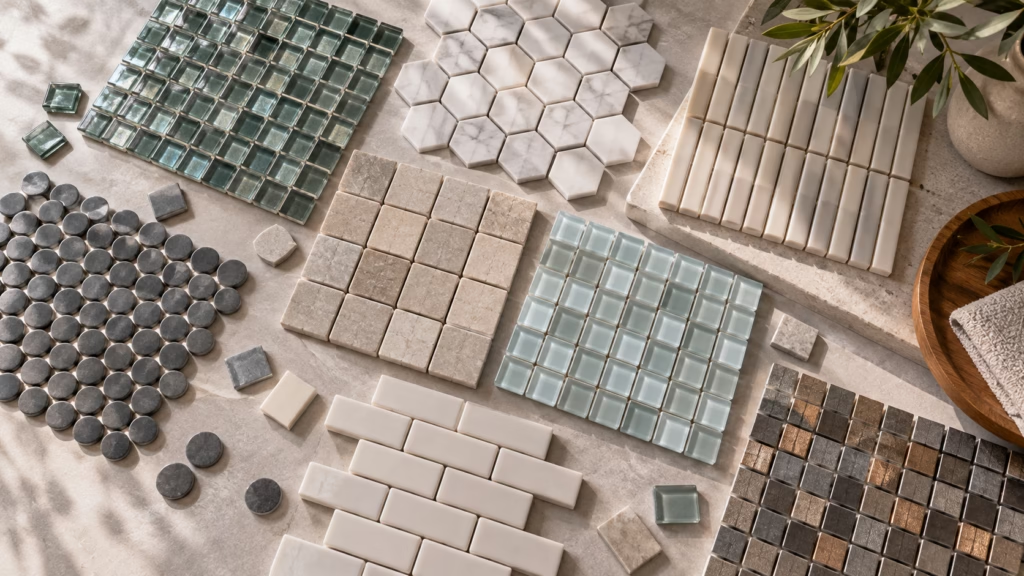
Mosaic tiles are small tile pieces supplied on a backing sheet so a group can be installed together. Because the pieces are small, a mosaic surface carries far more grout joints than a standard tile, which is why mosaics are often considered for shower floors, pool edges and feature surfaces. Material, sheet format and grout choice all shape how a mosaic performs and how it is maintained. Check the product data sheet before you specify.
What Are Mosaic Tiles?
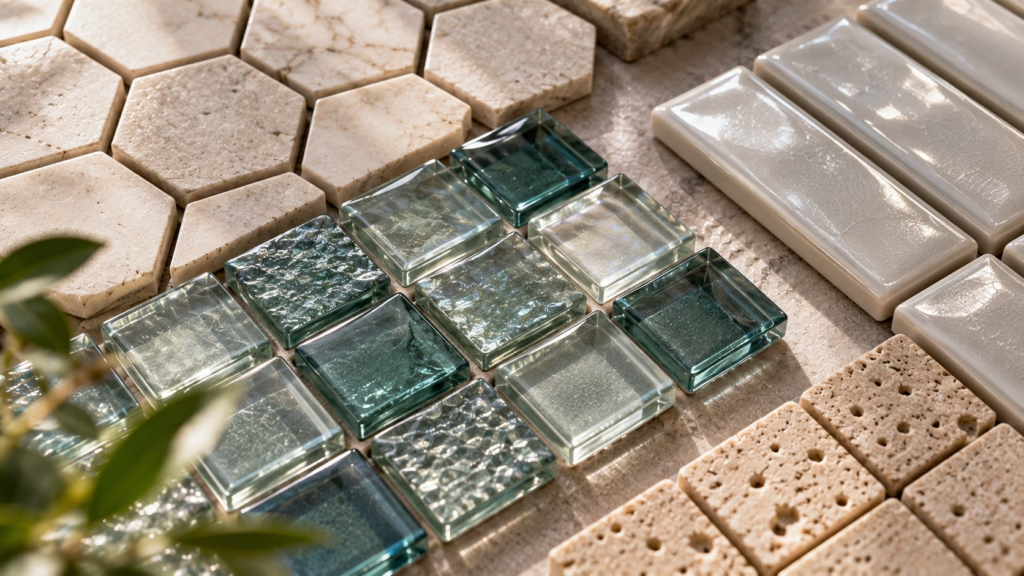
Mosaic tiles are small tile pieces, often supplied on a backing sheet so a group can be laid as one unit. The sheet is the installation unit; the individual pieces are the design.
The points that define the format:
- Proportion. Because the pieces are small, a mosaic surface carries far more grout joints per square metre than a standard tile.
- Consequence. That single fact shapes where mosaics are considered, how the surface behaves underfoot, how it is cleaned, and why grout matters as much as the tile.
- Format, not material. Mosaic is a tile format rather than a material. A porcelain mosaic and a porcelain large-format tile may share a body type but behave very differently in use.
- Materials available. Mosaics are available in materials such as porcelain, ceramic and glass, as well as stone and stone-look options.
Plain-language definitions of the terms used here sit in the tilepedia glossary.
Why Mosaic Tiles Are Common in Malaysian Wet Areas
Several properties help explain why mosaics are commonly considered for showers, bathrooms and pool areas.
- Surface interruption. The density of grout joints gives the surface more interruption than a large continuous face, which is one reason mosaics are frequently considered for shower floors and pool steps.
- Flexibility. Smaller pieces can accommodate changes in direction, mosaics can generally follow falls towards a floor waste and work around curved edges more readily than large rigid tiles. In bathrooms, this can reduce the need to cut larger tiles into wedges around drainage falls.
- The caveat. Slip resistance is a product-specific characteristic measured under defined test methods, and it is not implied by piece size. A suitably specified mosaic may contribute to slip-risk management, depending on the product, installation and site conditions. The applicable test method and project requirements should be checked rather than relying on tile size alone.
- Climate. Humidity and frequent washing can place greater demands on grout and maintenance.
Mosaic Materials at a Glance
The table below sets out how the common mosaic materials are generally compared. These are general patterns, and the result would depend on the specific product.
| Material | Character | Commonly considered for |
| Porcelain | Dense body, low water absorption | Wet floors, pool areas, external features |
| Ceramic | Wide colour and glaze range | Internal walls, backsplashes, decorative bands |
| Glass | Translucent, strong colour depth | Feature walls, pool waterlines, niches |
| Stone-look porcelain | Natural appearance, uniform format | Bathrooms, spa and wellness areas |
Under ISO 13006 classification, porcelain tile is generally defined by water absorption of 0.5% or less, with testing referenced to ISO 10545-3.
One point worth confirming before ordering: more porous materials, including some natural stone mosaics, may require sealing before grouting as well as after installation, since grout can mark an unsealed surface. Whether sealing is needed, and which product is suitable, would be confirmed against the manufacturer’s guidance rather than assumed from the material name.
Shapes, Sheet Sizes and Backing Types
Shape and sheet construction affect how a mosaic is handled and installed, though the technical performance comes from the material and the surface rather than the outline.
- Shapes. Square, hexagon, penny round, fish scale, elongated brick, picket and kit-kat the thin rectangular format widely sold under that name in Malaysia, and a common choice for black and white tile schemes are all common. Shape affects the look and joint pattern, while performance depends on the specific product and application.
- Sheet sizes. Sheets are available in various formats, with around 300 × 300 mm being a common size. Coverage and quantity are worked out by sheet rather than by piece there is more on planning quantities in the guide to how much extra tile to order.
- Mesh backing. The most common type, with pieces bonded to a net that sits in the adhesive bed.
- Paper-faced. The paper sits on the front and is removed after setting.
- Dot-mounted. Individual adhesive dots join the pieces rather than a full backing.
- Why it matters. Backing type affects handling and which adhesives are suitable, so it would be confirmed against the manufacturer’s guidance rather than assumed.
Where Mosaic Tiles Are Commonly Used
- Shower floors and wet rooms. A common residential use, since the sheets accommodate the fall towards the drain without cutting larger tiles.
- Pool waterlines and steps. A commonly used option for detailing curves, edges and smaller areas. Pool environments involve barefoot wet traffic and chemical exposure, and are covered in the pool tiles guide.
- Feature walls and shower niches. A mosaic band, niche lining or headboard wall adds detail without committing a whole room to a pattern, and sits alongside the wider decisions covered in the guide to wall tiles design.
- Kitchen backsplashes. A wall application, so the wear reference matters less, but grout cleanability matters more The area behind a hob is exposed to more frequent splashes and grease.
- Thresholds and zone changes. Sometimes used to mark a change of use underfoot, for example at a balcony threshold or the edge of a wet zone.
- Hospitality and retail. A practical way to introduce a local or heritage design reference within a defined area, since a small area carries the idea without the budget of a full patterned floor.
As a general pattern, smaller pieces are commonly considered on shower floors and pool steps, where the sheets follow a fall and the joints sit underfoot, while larger pieces and patterned sheets are more often used on walls and backsplashes, where there is less to clean at eye level. The suitable format would depend on the product data sheet and the conditions on site.
Grout: The Part That Does the Most Work
With more joints per square metre, grout forms a larger share of the visible surface and requires more attention during cleaning and maintenance. On a mosaic, the grout decision is part of the specification rather than a finishing detail.
- Type. Epoxy and other performance grouts are often considered for pools, showers and food-preparation areas where greater resistance to staining or chemicals is required, subject to the grout specification. The tile grout guide sets out how the types compare.
- Installer experience. Performance grouts are less forgiving to install, so the installer’s familiarity with the specific product is worth confirming.
- Colour. A grout close to the tile colour reads as a continuous surface and lets the pattern recede; a contrasting grout emphasises each piece.
- Colour on floors. Mid-tone greys are often chosen where a less visually prominent grout colour is preferred.
- Sealing. Some grout types are commonly sealed and others are not. This varies by product, so the grout manufacturer’s guidance would be followed rather than a general rule.
Installation and What to Ask Your Tiler
Mosaic installation can require more time than standard tiling, particularly where falls, curves or detailed cuts are involved. Adhesive selection, coverage and joint alignment should follow the tile, adhesive and installation system specifications.
Three questions worth asking before work starts:
- Sheet joints. How will the sheets be set out so the edges do not read as grid lines across the finished surface?
- Cuts. How will cut pieces be handled at edges, corners and around drains?
- Transitions. How will the mosaic meet any adjoining larger tile? Floor levels and joint alignment are easier to resolve at design stage than on site.
For wet areas, the waterproofing system beneath the tile is reviewed as part of the same conversation, since the tile and grout are not the waterproofing layer. The installer would confirm the approach for the specific product and location.
Cleaning and Long-Term Maintenance
Regular cleaning with the manufacturer’s recommended method generally keeps grout lines in better condition than occasional deep cleaning.
- Products. Cleaning products compatible with both the tile and the grout would ordinarily be used. Harsh or abrasive products are reviewed more carefully so the surface and joints are not affected.
- Drying and ventilation. In a humid climate, In humid wet areas, good drying and ventilation can support easier maintenance alongside regular cleaning. Where a shower or pool surround remains damp for long periods, grout discolouration can become more noticeable.
- Spare stock. Keeping a small quantity of spare sheets is worth doing. Matching a mosaic years later is harder than matching a plain tile, since shade and shape ranges change more frequently.
A Quick Checklist Before You Choose a Mosaic
- Confirm the location: floor, wall, submerged, internal or external. This helps determine the appropriate product category.
- For floor and wet areas, review the slip resistance reference with the project consultant or safety advisor.
- Check water absorption and the intended use stated on the product data sheet.
- Decide the grout type against the cleaning regime before finalising the tile.
- Confirm the backing type and the adhesive the manufacturer intends for it.
- Review a sample in place, under the actual lighting, since mosaic reads differently close up and across a room.
- Calculate quantities by sheet, and allow for cutting at edges, drains and corners.
- Keep spare sheets for future repair.
The suitable option depends on the project’s conditions, design intent and technical requirements. Check the product data sheet for the relevant specification before confirming.
Frequently Asked Questions About Mosaic Tiles
Are mosaic tiles harder to keep clean because of the grout lines?
There is more grout to maintain, so routine cleaning matters more than with large tiles. Grout type makes a noticeable difference, and some performance grouts are designed to provide greater resistance to staining or chemicals in demanding areas. Sealing requirements vary by grout, so the manufacturer’s guidance would be followed.
Can mosaic tiles be combined with large tiles in the same bathroom?
Yes, and it is a common approach: large tiles on the walls and dry floor, with mosaic in the shower tray or as a feature band. Floor levels and thresholds need planning so the two meet cleanly, which is easier to resolve at design stage than on site.
Do mosaic sheets line up perfectly when installed?
Alignment between sheets is a workmanship matter. A skilled installer should set out the first sheets carefully and manage spacing so he sheet edges do not read as grid lines. Asking to see previous mosaic work is a reasonable request.
Can mosaic tiles be used outdoors in Malaysia?
Some porcelain and glass mosaics are supplied for external use, but suitability would depend on the product’s water absorption, UV performance and the substrate. This is confirmed against the product data sheet rather than assumed from indoor use.
Is glass mosaic suitable for a floor?
Glass mosaic is commonly used on walls and waterlines, while floor use depends on the specific product. Where a floor application is being considered, the wear and slip resistance references would be reviewed with the supplier and the project consultant.
Does mosaic cost more to install than standard tile?
Installation generally takes longer because there are more joints to align and more cutting at edges and drains. The material cost per square metre varies widely by type. Both are worth confirming with the installer before the area is finalised.
Conclusion
Mosaic tiles offer detail and installation flexibility that can be useful in shower floors, pool edges, niches and feature surfaces. The trade-off is more grout joints, potentially more installation time, and greater attention to grout selection and maintenance. Material, sheet format and grout are best decided together, against the place the mosaic will actually be used rather than the way it looks on a sample board.
Before confirming a mosaic, review the product data sheet against the intended application and check the relevant specifications with your project consultant.
To review mosaic and decorative tile options and their data, browse the Kimgres tile collection, or contact Kimgres for samples and product data.
Note: Tile suitability, durability, and slip resistance may vary depending on project conditions, installation methods, and usage. Final selection should be confirmed with your project consultant or relevant professional.