Ceramic tiles are more than just surfaces, they tell the story of how technology, design, and lifestyle needs have evolved. In the past, extruded tiles were highly valued for their strength and rustic appeal. Today, however, advances in pressed tile manufacturing have transformed the industry, giving architects, designers, and homeowners limitless options.
At Kimgres, we believe in honouring the past while embracing the future. Let’s explore what extruded tiles are, their origins, their advantages and disadvantages, and why pressed tiles have become the global standard.
What Are Extruded Tiles?
Extruded tiles are produced through a traditional industrial method. Instead of being pressed into moulds, a moist clay mixture is forced through a die (extruder) to create a continuous shape. These shapes are then cut into tiles, dried, and fired at high temperatures. This process results in dense, rugged tiles that were especially popular before hydraulic pressing technology took over.
| ADVANTAGES OF EXTRUDED TILES | DISADVANTAGES OF EXTRUDED TILES |
| Superior Strength, Dense clay bodies withstand heavy loads. | Imprecise Dimensions, Variations in size and thickness complicated installation. |
| Slip-Resistant Surfaces, Natural grooves and rough textures improve safety in wet or outdoor conditions. | Limited Aesthetics, Mostly earthy tones like terracotta and brown, with matte or rough finishes. |
| Special Shapes, Extrusion allowed for profiles, ridges, and unique edges. | Higher Costs, Slower, less efficient production compared to pressing. |
| Weather Resistance, Excellent for outdoor use in tough climates. | Heavier & Bulkier, Less suitable for lightweight modern construction. |
The Origin Of Extruded Tiles
The extrusion method was adapted from brick making techniques in the early 20th century. It became popular in Europe and Asia for producing robust tiles for outdoor paving, industrial floors, and public walkways. At the time, pressed tiles lacked the strength and versatility extrusion offered. For decades, extruded tiles were the go-to solution where durability mattered more than decoration.
The Look & Feel of Extruded Tiles
Extruded tiles carried a rustic, handmade-like charm, with surfaces that felt more natural than polished. Their appeal lay in their earthy, tactile quality, making them perfect for outdoor courtyards, pathways, or heritage-style spaces. While beautiful in their own way, they lacked the sleek, modern finishes homeowners desire today.
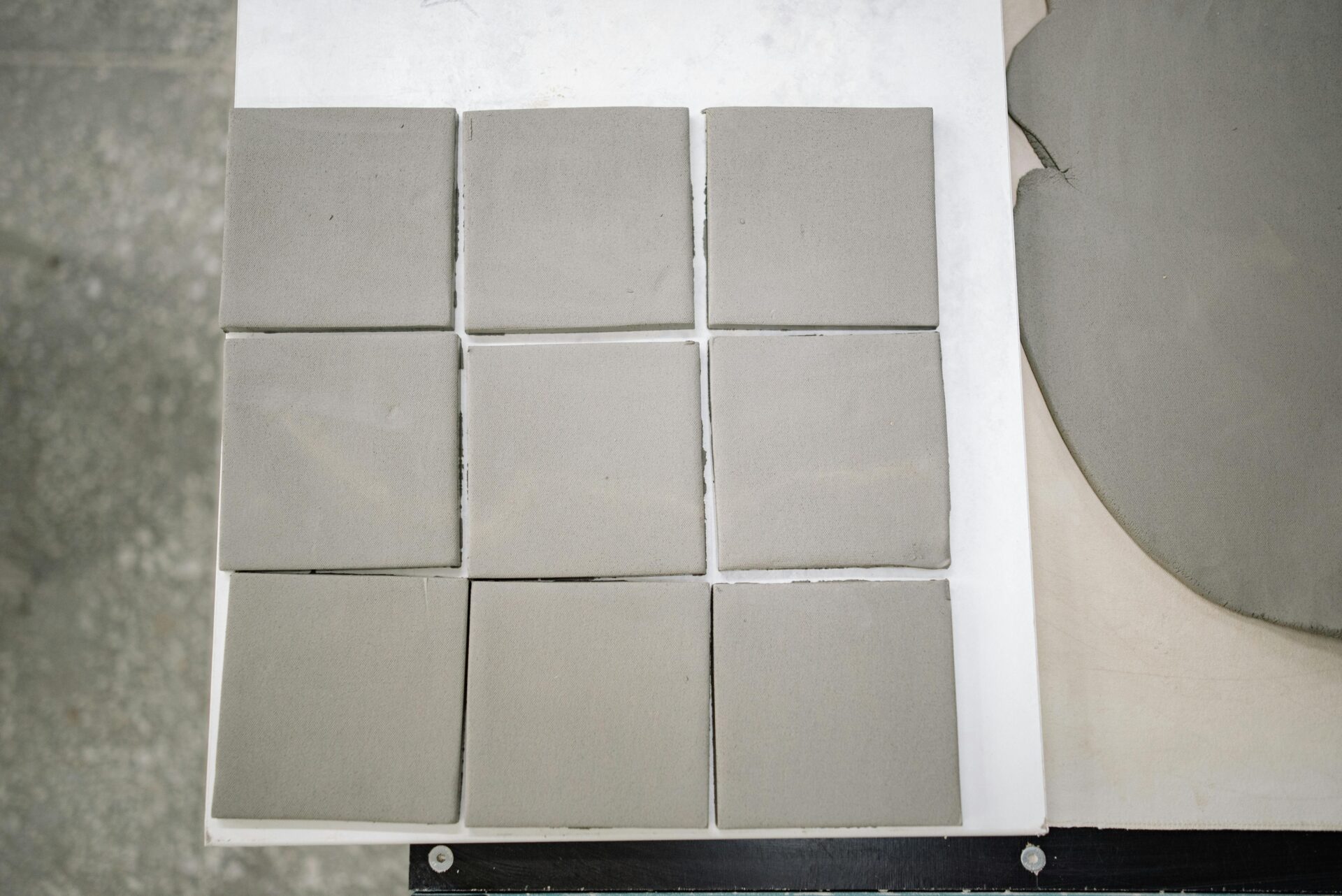
Extruded Tiles vs. Handmade Tiles
It’s important not to confuse extruded tiles with handmade tiles:
| Feature | Extruded Tiles | Handmade Tiles |
| Process | Machine-extruded through a die | Shaped manually or with moulds |
| Consistency | Industrial but less precise | Highly irregular, each piece unique |
| Design | Rustic, functional | Artistic, colourful, decorative |
| Purpose | Heavy-duty, outdoor, industrial | Feature walls, artisan interiors |
| Cost | Lower, mass-produced | Higher, labour-intensive |
?Key takeaway: Extruded tiles were designed for function and durability, while handmade tiles are crafted for artistry and uniqueness.
The Rise of Modern Pressed Tiles
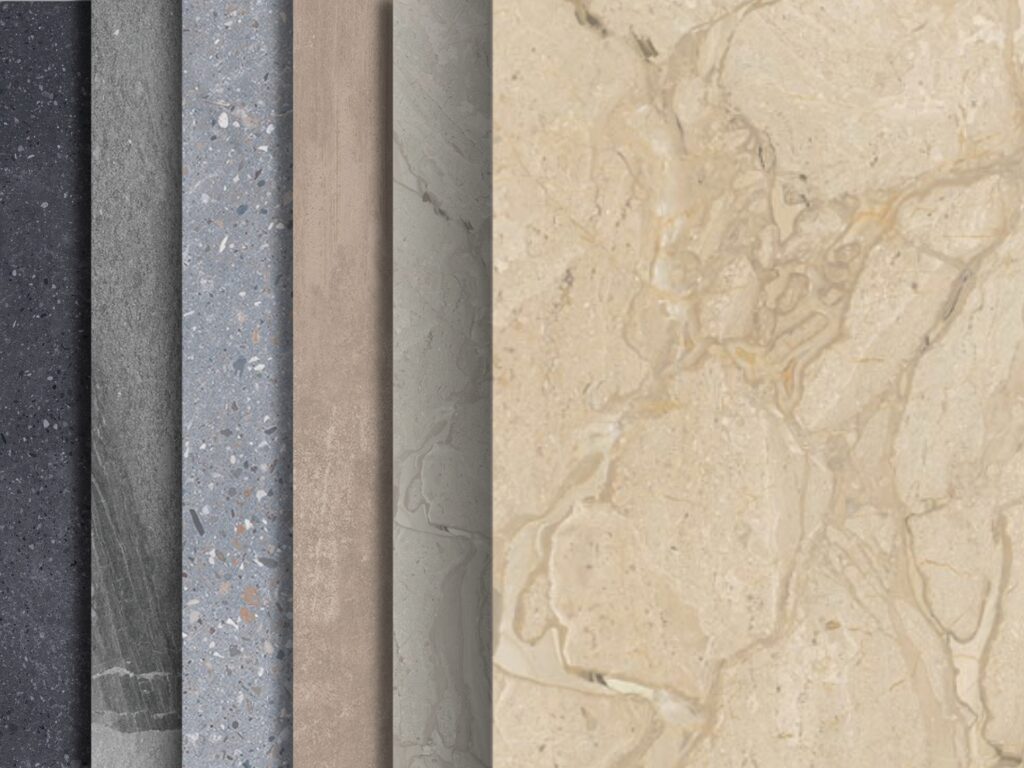
With the development of hydraulic presses and advanced digital printing, pressed tiles have revolutionised design. Modern pressed tiles now offer:
- Precision & Uniformity, Perfect sizing for easy installation.
- Design Freedom, From marble and granite looks to wood and terrazzo.
- Durability, As strong, or stronger, than extruded tiles.
- Versatility, Thin, lightweight, and available in many formats.
- Sustainability, More energy-efficient, with waste recycling built into production.
At Kimgres, our pressed tiles combine technical strength with innovative designs, helping projects achieve both style and performance.
Extruded vs. Pressed Tiles, Quick Comparison
| Feature | Extruded Tiles | Pressed Tiles |
| Production | Clay extruded through die | Clay pressed into moulds |
| Durability | Very strong, dense | High strength, engineered |
| Precision | Inconsistent sizing | Highly uniform |
| Design | Variety Rustic, limited | Wide range, digital prints |
| Applications | Outdoor, industrial | Residential, commercial, outdoor |
Conclusion
Extruded tiles were once the pioneers of durability, bridging the gap between handmade craftsmanship and modern industrial production. Their rustic charm and robust performance made them ideal for the past, but today, pressed tiles have taken the lead.
At Kimgres, we bring you the best of modern tile innovation:
✔ Durability that lasts
✔ Precision and easy installation
✔ Wide-ranging designs to match any style
✔ Sustainable manufacturing practices
?Discover the Kimgres pressed tile collection, where tradition meets innovation.