History of Tiles

Test excerpt
Understanding Ceramic Tiles
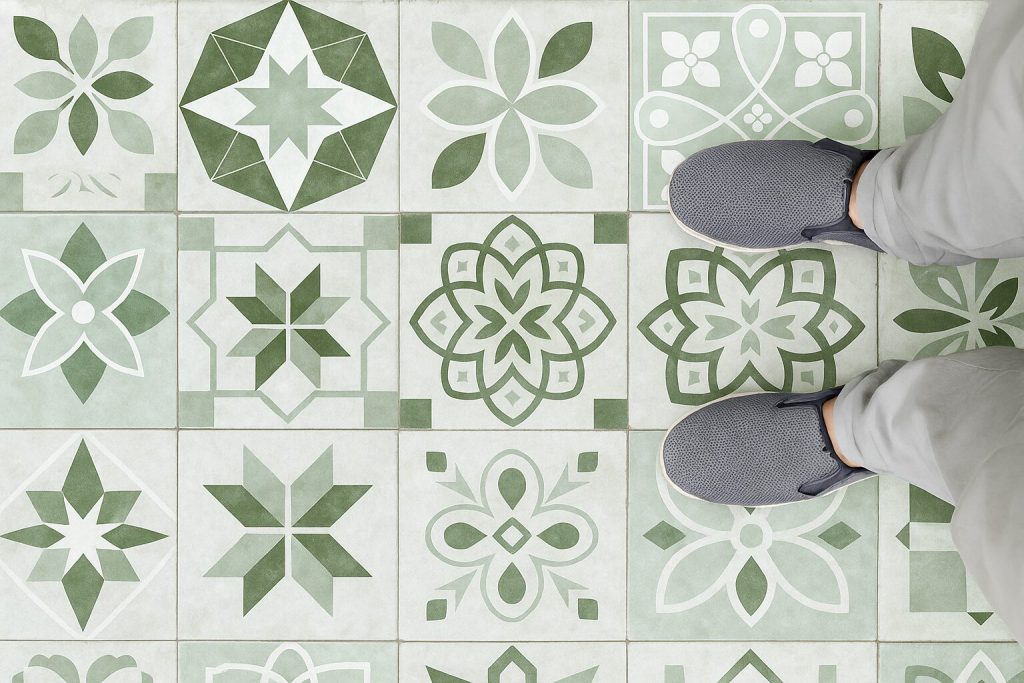
What Are Ceramic Tiles?Ceramic tiles are thin, highly durable slabs made from a refined blend of natural clay, sand, and minerals. Shaped through high-pressure extrusion or pressing and fired at extremely high temperatures, ceramic tiles deliver exceptional strength, beauty, and versatility. Tiles can be glazed for enhanced surface protection and design variety or left unglazed for a natural, earthy aesthetic.Key Benefits: ✔ Exceptional Durability, Scratch, stain, and wear-resistant, ideal for long-lasting use. ✔ Wide Range of Styles, Available in various colors, sizes, textures, and finishes. ✔ Easy Maintenance, Water- and stain-resistant surfaces allow effortless cleaning.✔ Hygienic & Eco-Friendly, Non-porous, dust-resistant, and a sustainable flooring option. ✔ High-Value Investment, Affordable, long-lasting, and cost-effective for residential and commercial spaces. ✔ Versatile Applications, Suitable for living rooms, kitchens, bathrooms, outdoor patios, and commercial projects. ✔ Chemical & Moisture Resistance, Withstands spills, cleaning agents, and humidity with ease. ✔ Termite-Proof & Fire-Resistant, Outperforms wood and other organic materials in safety and durability.Both ceramic and porcelain tiles fall under the ceramic category, with porcelain being denser and less porous due to a higher firing temperature. Whether used in homes, offices, or outdoor settings across Malaysia, ceramic tiles […]
Types & Classifications of Tiles
Glazed vs. Unglazed TilesTiles can be broadly classified based on their surface finish into glazed and unglazed categories, each offering distinct advantages depending on the application.Glazed Tiles: Featuring a liquid glass coating that is fused to the tile’s surface during firing, glazed tiles offer brilliant colours, detailed designs, and a smooth, protective layer. This makes them highly resistant to stains and easy to clean. They are ideal for indoor walls, low-traffic floors, and decorative applications where aesthetics and easy maintenance are priorities. Glazed tiles also provide additional chemical resistance, making them suitable for kitchens and bathrooms.Unglazed Tiles: Without a surface coating, unglazed tiles showcase the natural texture and colour of the tile body. They are exceptionally robust and dense, offering greater resistance to wear and slip in heavy-traffic and outdoor environments. Their through-body colour means minor chips are less noticeable. Perfect for commercial spaces, outdoor pathways, and areas where performance and durability outweigh decorative needs.Choosing between glazed and unglazed tiles depends on balancing your design vision with the performance demands of the space. Showcase natural textures and robust durability, perfect for heavy-duty floors and outdoor areas.Ceramic vs. Porcelain ClassificationIn Malaysia, most ceramic tiles are made using the dry pressing method […]
Porcelain Tiles Explained
Porcelain tiles are a premium type of ceramic tile manufactured using a more refined clay and fired at higher temperatures. This results in a tile that is exceptionally dense, durable, and resistant to water absorption, making it ideal for a wide range of applications. Tile Classification: Classified as Group BIa under MS ISO 13006 standards. Low Water Absorption: Less than 0.5%, providing excellent moisture resistance for various environments. High Density: Achieved through high-temperature firing, ensuring superior mechanical strength and durability. Body Composition: Available in basic body, colour body, or full body formats. Full body tiles feature consistent colour and pattern throughout the tile for enhanced longevity. Surface Finishes: Offered in both glazed and unglazed finishes to suit different functional and aesthetic needs. Glazed vs. Unglazed Porcelain Tiles: Which is Right for You?Glazed Porcelain Tiles: Stylish & Low-Maintenance Glazed porcelain tiles are coated with a protective layer before firing, creating a smooth surface that can be glossy, satin, or matte. Their benefits include: ✔ Stain & Moisture Resistance, Ideal for kitchens, bathrooms, and splash-prone areas.✔ Vibrant Colours & Patterns, Extensive design possibilities through advanced printing technologies.✔ Easy Maintenance, Simple to clean and maintain, perfect for busy lifestyles. […]
Tile Features: Edge Profiles, Sizes, Technical Characteristics, and Shade Variation
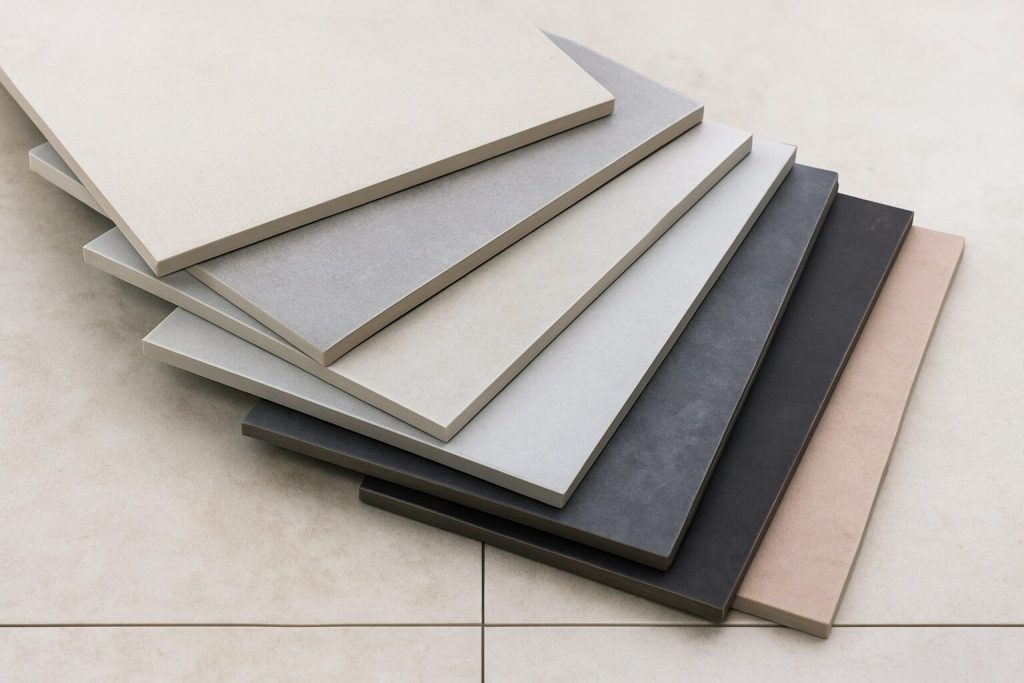
Edge ProfilesPressed Edge Tiles, also known as non-rectified tiles, and Rectified Tiles are two types of ceramic tiles with distinct edge treatments and characteristics. Here’s a comparison between them:Pressed Edge Tiles (Non-Rectified) Manufacturing Process: Created through a pressing process that shapes the edges during production. Edge Profile: Can have various profiles, such as bevelled or rounded edges, depending on the design. Edge Finish: May not be perfectly straight or uniform, resulting in slight variations. Size Tolerance: Typically has a larger size tolerance compared to rectified tiles. Installation: Requires wider grout joints due to less precise edge alignment. Applications: Suitable for residential and commercial applications where slight edge variations are acceptable. Rectified Tiles Manufacturing Process: Edges are mechanically rectified or shaved after firing to ensure perfectly straight and precise edges. Edge Profile: Features uniform and square edges that are accurate to the tile’s dimensions. Edge Finish: Achieves a clean and sharp edge, resulting in a more uniform appearance. Size Tolerance: Has minimal size tolerance, with tightly controlled edges and dimensions. Installation: Allows for narrower grout joints due to precise edge alignment, creating a more seamless look. Applications: Ideal for modern, high-end installations where precision and a sleek, clean look are desired, […]
Choosing Tiles by Space
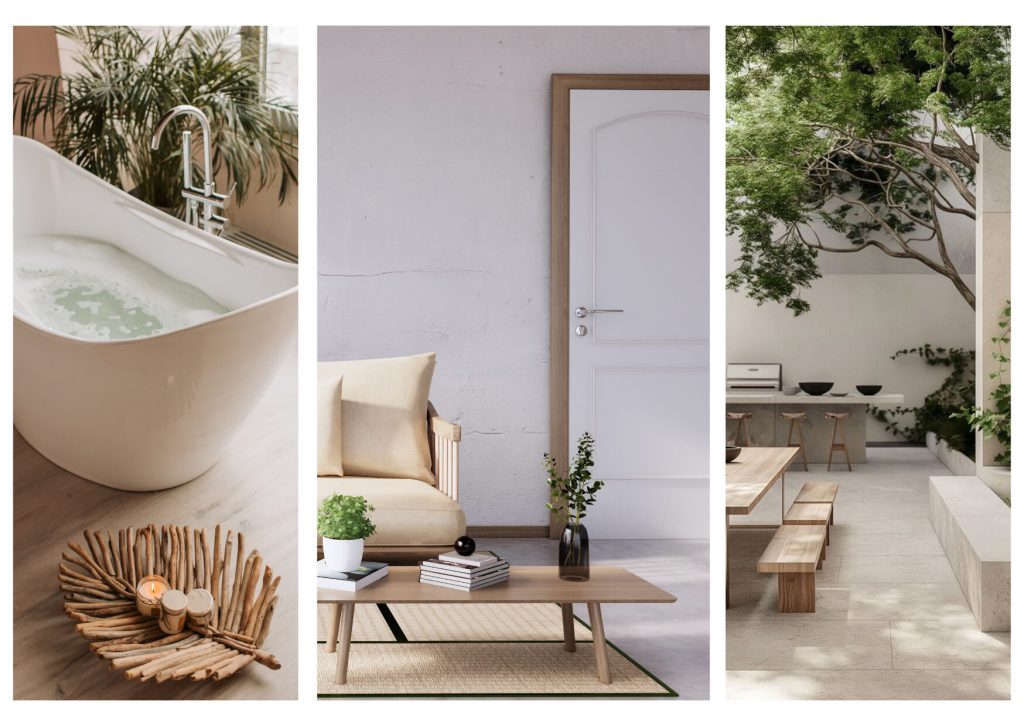
Tiles are more than just a surface covering, they help define the mood, durability, and functionality of a space. With so many options available, choosing the right tile can feel overwhelming. Here’s a simple guide to help you pick the perfect tile based on where you plan to use it:🛋️ Living & Dining AreasWhat to look for: Style, comfort underfoot, easy maintenance These are high-traffic zones, but comfort and aesthetics are just as important. Polished porcelain tiles provide a sleek, modern finish that instantly elevates shared spaces. For a warmer, more inviting feel, opt for matt-finish ceramic or porcelain tiles, they’re durable, low-maintenance, and comfortable underfoot. Looking to add a natural vibe? Wood-look tiles offer the charm of timber with none of the upkeep, blending style and practicality beautifully. Pro Tip: Choose larger tiles for a seamless, spacious look.🍽️ KitchenWhat to look for: Stain resistance, slip resistance, durability Kitchens face daily spills, grease, and moisture, so choose porcelain tiles with low water absorption and high chemical resistance for the floor. Matt or textured surfaces offer better slip resistance and are easier to clean. Use glossy ceramic tiles on backsplashes for easy wipe-downs. For countertops, go with durable, heat-resistant tiles, but avoid polished tiles in […]
Tile Installation Guide
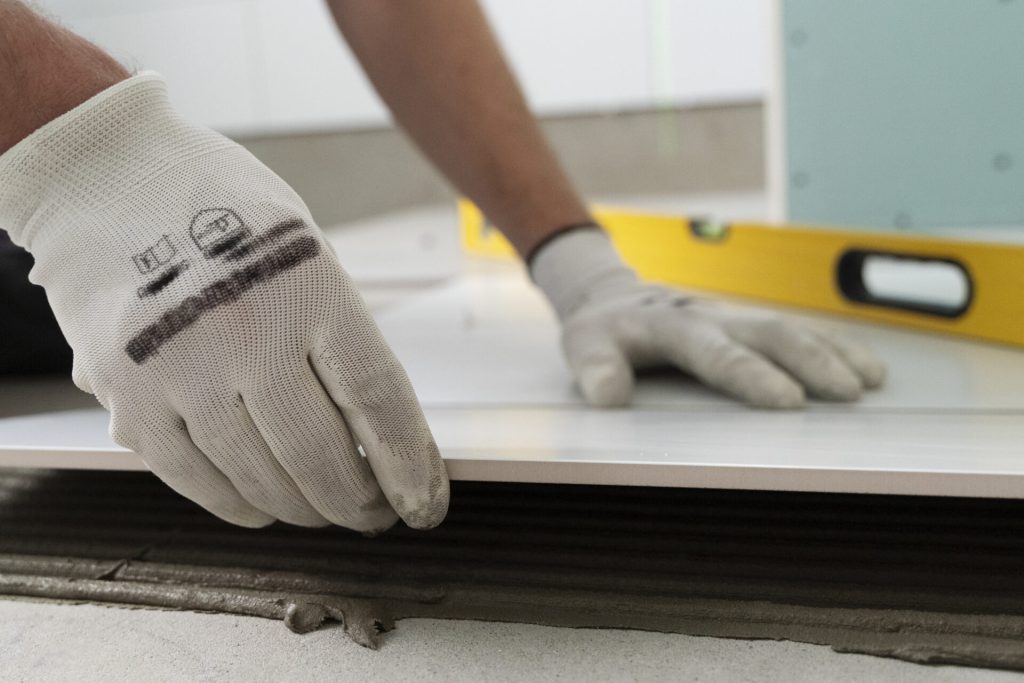
Planning a tiling project? Proper tile installation is essential for achieving a beautiful, durable finish. Whether you’re laying ceramic or porcelain tiles, this step-by-step guide covers everything you need to know, from surface preparation and adhesive application to grouting and finishing with professional results.Step-by-Step Process1. Prepare the Surface Start by ensuring the substrate is clean, dry, and level. Any dirt, dust, or unevenness can weaken the bond and affect the final look of your tiles. 2. Plan Your Tile Layout Before applying adhesive, dry-lay the tiles to map out the layout. This helps minimize tile cuts, balance the design, and ensure shade consistency. Mark working lines using the wall or centrelines as guides for accurate tile placement.3. Apply Tile Adhesive Using a notched trowel, spread adhesive evenly over a manageable area. Make sure the adhesive stays within its open time, apply tiles while the adhesive is still fresh for the strongest bond. 4. Lay the Tiles Place each tile according to your layout plan, pressing firmly into the adhesive. Use tile spacers to maintain even grout lines, and check frequently that tiles are level with their neighbours.5. Cut Tiles to Fit Cut tiles as needed to fit edges, […]
Tile Care and Maintenance